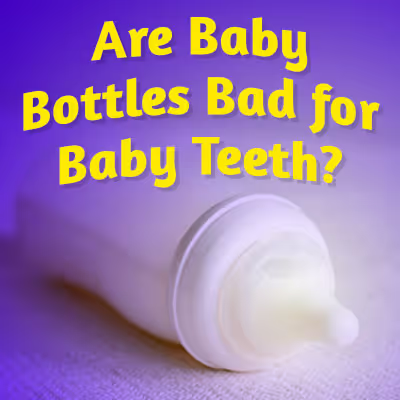
Are Baby Bottles Bad for Baby Teeth?
Tooth decay in infants and very young children is often called baby bottle tooth decay. This happens when liquids with natural or artificial sugars remain in an infant’s mouth for extended periods of time. Bacteria in the baby’s mouth thrive on these sugars, using them to produce acids that attack the teeth and gums. Today, Dr. Jeff McComb and Dr. Candy McComb of Explorer Kids Dental would like to share some information about baby bottle tooth decay and how to prevent it.What Not to DoChildren whose pacifiers are dipped in sugar, honey, or syrup and those who are given bottles of sugary concoctions for naptime or bedtime comfort are at increased risk of tooth decay due to the decrease in natural saliva flow during sleep. Even fruit juice, milk, and formula contain natural sugars that can wreak havoc on tiny teeth while your little one slumbers. Here are some helpful “don’ts” for avoiding baby bottle tooth decay: Don’t fill bottles with sugar water or soda. Bottles should only be for milk, water, formula, and pediatric electrolyte solutions. Don’t allow them to go to sleep without wiping or brushing their gums and teeth.Never give your child pacifiers dipped in anything sweet.Reduce the sugar in your baby’s diet, especially between meals.Baby Teeth Are ImportantAlthough baby bottle tooth decay usually affects the upper front teeth the most, other teeth can be affected as well. Some folks underestimate the importance of baby teeth, but they are actually very important for children’s health and development. Not only are baby teeth necessary for chewing, speaking, and smiling, they serve as placeholders for permanent teeth that come later. Left untreated, baby bottle tooth decay can result in pain, infection, and premature tooth loss. When children lose teeth prematurely because of baby bottle tooth decay, they may develop poor eating habits, speech problems, crooked teeth, and damaged permanent teeth. The chances that the permanent adult teeth will also be crooked and unhealthy are greatly increased by the presence of baby bottle tooth decay.What to DoStarting a good oral hygiene routine early can help keep baby bottle tooth decay at bay: Wipe your baby’s gums with a clean, warm washcloth after each feeding. Begin brushing your baby’s teeth with a baby-sized toothbrush, without toothpaste as soon as they come in. Clean and massage the gums in areas of your child’s mouth that do not have teeth. Once baby teeth have come in, begin flossing between them.Make sure your child is getting enough fluoride.You can begin using fluoridated toothpaste around age three. If your local water supply does not contain fluoride, ask your dentist or doctor if a supplement would be appropriate. Start regular dental visits by your baby’s first birthday. If it seems necessary, ask about sealants, which can help prevent tooth decay. How Do I Break Bad Habits? It’s never too late to change those bad habits. Start today by: Gradually diluting the contents of bottles with water over a period of 2-3 weeks. After 2-3 weeks have passed, fill bottles with only water. Switching from a bottle to a pacifier at night before bedtime. Establishing a nightly oral hygiene routine so they never go to sleep with a sugary mouth. Remember, the healthier your child’s baby teeth are, the more likely their permanent teeth will be healthy, too. If you have any questions about baby bottle tooth decay or would like to schedule a visit for your little bundle of joy, contact your Roseville pediatric dentists today! The content of this blog is not intended to be a substitute for professional medical advice, diagnosis, or treatment. Always seek the advice of qualified health providers with questions you may have regarding medical conditions.
Share this post
Explore more blogs
October 27, 2021
Strategies for Teasing: Helping Kids Feel Better About Their Smile
Studies show the number one reason kids are bullied for their appearance is the way their teeth look. Here are strategies to help.
September 27, 2021
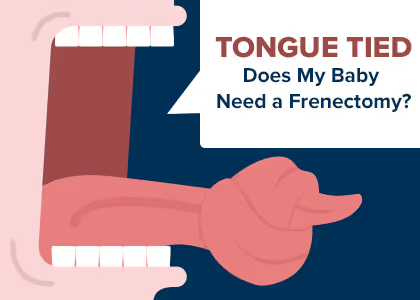
Tongue Tied: Does My Baby Need a Frenectomy?
A frenum is a small fold of muscular tissue in the mouth. Sometimes a frenectomy is needed when it restricts movement.
September 13, 2021
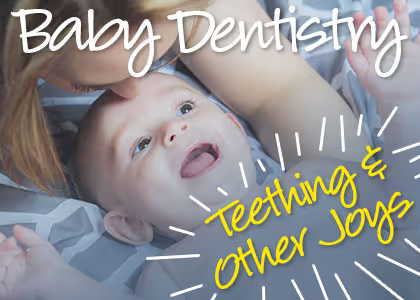
Baby Dentistry: Teething & Other Joys
Your baby's oral health is very important both now and for a lifetime of health. Here's what to know about teething and baby dental care.
August 27, 2021
Is Your Little One Getting Enough Calcium?
Calcium is vital for healthy teeth. Here's how to make sure your little one gets enough in their diet.
August 13, 2021
Is Fluoride Safe for Kids?
We want to address questions and concerns about fluoride safety for kids. Here's what the science says.
July 27, 2021
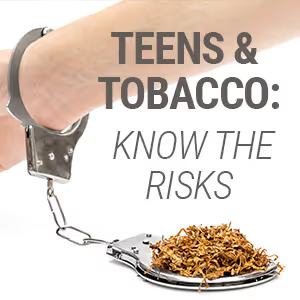
Teens & Tobacco: Know the Risks
There is no such thing as a safe tobacco product. Every tobacco product contains nicotine — and not only is nicotine addictive, but it can harm the brain.

July 16, 2021
Pacifier Pros & Cons
To binky or not to binky? Pacifier use for infants has been a subject of debate as long as they've been around.
June 27, 2021
Teens & Prescription Opioid Use
Addiction to prescription opioids often begins with an innocent prescription. Here's what parents should know about teens and opioids.

June 13, 2021
Is Thumb Sucking Dangerous?
Thumb sucking is normal behavior for babies and young children. More than 75% of little ones suck their thumbs or fingers during early years.
May 27, 2021
4 Ways to Prevent Tooth Decay in Children
Preventing tooth decay in kids is never an easy feat. Here are 4 effective ways to protect your child's teeth from decay.
May 13, 2021
Bad Breath: When Morning Breath Becomes Halitosis
Bad breath, formally known as halitosis, is embarrassing and can hold you back from truly enjoying your life and social situations.