Are Baby Bottles Bad for Baby Teeth?
Tooth decay in infants and very young children is often called baby bottle tooth decay. This happens when liquids with natural or artificial sugars remain in an infant’s mouth for extended periods of time. Bacteria in the baby’s mouth thrive on these sugars, using them to produce acids that attack the teeth and gums. Today, Dr. Jeff McComb and Dr. Candy McComb of Explorer Kids Dental would like to share some information about baby bottle tooth decay and how to prevent it.What Not to DoChildren whose pacifiers are dipped in sugar, honey, or syrup and those who are given bottles of sugary concoctions for naptime or bedtime comfort are at increased risk of tooth decay due to the decrease in natural saliva flow during sleep. Even fruit juice, milk, and formula contain natural sugars that can wreak havoc on tiny teeth while your little one slumbers. Here are some helpful “don’ts” for avoiding baby bottle tooth decay: Don’t fill bottles with sugar water or soda. Bottles should only be for milk, water, formula, and pediatric electrolyte solutions. Don’t allow them to go to sleep without wiping or brushing their gums and teeth.Never give your child pacifiers dipped in anything sweet.Reduce the sugar in your baby’s diet, especially between meals.Baby Teeth Are ImportantAlthough baby bottle tooth decay usually affects the upper front teeth the most, other teeth can be affected as well. Some folks underestimate the importance of baby teeth, but they are actually very important for children’s health and development. Not only are baby teeth necessary for chewing, speaking, and smiling, they serve as placeholders for permanent teeth that come later. Left untreated, baby bottle tooth decay can result in pain, infection, and premature tooth loss. When children lose teeth prematurely because of baby bottle tooth decay, they may develop poor eating habits, speech problems, crooked teeth, and damaged permanent teeth. The chances that the permanent adult teeth will also be crooked and unhealthy are greatly increased by the presence of baby bottle tooth decay.What to DoStarting a good oral hygiene routine early can help keep baby bottle tooth decay at bay: Wipe your baby’s gums with a clean, warm washcloth after each feeding. Begin brushing your baby’s teeth with a baby-sized toothbrush, without toothpaste as soon as they come in. Clean and massage the gums in areas of your child’s mouth that do not have teeth. Once baby teeth have come in, begin flossing between them.Make sure your child is getting enough fluoride.You can begin using fluoridated toothpaste around age three. If your local water supply does not contain fluoride, ask your dentist or doctor if a supplement would be appropriate. Start regular dental visits by your baby’s first birthday. If it seems necessary, ask about sealants, which can help prevent tooth decay. How Do I Break Bad Habits? It’s never too late to change those bad habits. Start today by: Gradually diluting the contents of bottles with water over a period of 2-3 weeks. After 2-3 weeks have passed, fill bottles with only water. Switching from a bottle to a pacifier at night before bedtime. Establishing a nightly oral hygiene routine so they never go to sleep with a sugary mouth. Remember, the healthier your child’s baby teeth are, the more likely their permanent teeth will be healthy, too. If you have any questions about baby bottle tooth decay or would like to schedule a visit for your little bundle of joy, contact your Roseville pediatric dentists today! The content of this blog is not intended to be a substitute for professional medical advice, diagnosis, or treatment. Always seek the advice of qualified health providers with questions you may have regarding medical conditions.
Share this post
Explore more blogs
April 13, 2020
Silver Diamine Fluoride: An Affordable Filling Alternative
Silver diamine fluoride (SDF) is an antibiotic topical liquid solution brushed onto teeth to halt the progression of tooth decay.
March 27, 2020
Oral Cancer – Prevention & Early Detection
Oral cancer affects approximately 50,000 Americans every year. Early detection is key to successful treatment.
March 13, 2020
Is My Child's Loose Tooth Causing Them Pain?
As teeth push their way through gum tissue, your little one will likely be sensitive and in pain. Here's what to do.
February 27, 2020
Are Baby Bottles Bad for Baby Teeth?
Tooth decay in infants and very young children is often called baby bottle tooth decay. Here's what causes it and how to prevent it.

February 13, 2020
Social Stories: Support for Kids with Autism
Social Stories help provide emotional support to autistic kids with the goal of improving their dental and other experiences.
January 27, 2020
Can Children Get Receding Gums?
Receding gums are not uncommon in adults, but children can also experience this progressive loss of gum tissue as young as age 7.

January 13, 2020
Grandparents, Grandkids & Dental Care
Grandparents today are often very involved in the daily lives of their grandchildren. How much has dentistry changed since they were kids?
December 27, 2019
Sports Drinks & Energy Drinks: Proceed with Caution
The American Academy of Pediatrics is cautioning parents that sports and energy drinks have similar effects on children's teeth as soda.
December 14, 2019
What Are Maxillary Teeth?
The upper teeth formed along the maxillary jawbone include the top incisors, molars, premolars, and canines. Here's what you need to know.
November 27, 2019
What's a Pulpotomy? Pain Relief for Tiny Teeth
When the pulp becomes inflamed or infected in a baby tooth, a pulpotomy may provide relief. Here's how it works.
November 13, 2019
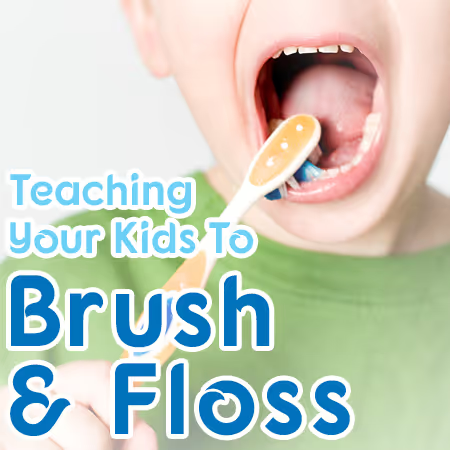
Teaching Your Kids to Brush & Floss
Your child's first unassisted brushing and flossing session is a milestone. Here's how to get them ready for it.