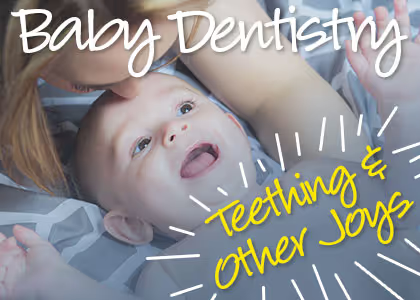
Baby Dentistry: Teething & Other Joys
It’s easy to think that baby teeth aren’t that important. They make their grand entrance (however painfully) and leave your baby’s mouth soon thereafter. But your baby’s oral health is very important, both in the present and to set the stage for a lifetime of health. Today Explorer Kids Dental would like to talk about those tiny teeth and how to care for them.Teething FactsTeething begins anywhere from 3-9 months and can continue until your child is 3 years old.Every baby is different.Teeth emerge in a consistent pattern: lower 2 front incisors; upper 2 front incisors and 2 additional lower incisors; first set of molars; canines; then second molars. One reason we get baby teeth is that our baby mouths aren’t big enough for the size and number of adult teeth we need later in life.Babies have 20 teeth that fall out.They are then replaced by 32 adult teeth. Chewing on a cold, wet washcloth, extra snuggles, and a little pain-relieving medicine are certain to help ease the pain of teething. Contrary to popular belief, teething is not proven to cause sickness like diarrhea, fever, or a runny nose. Children should see the dentist as soon as their first baby teeth start coming in.Taking Care of Baby Teeth Breastfeeding :According to a recent study, babies that exclusively breastfed for at least six months have a 72% less chance of developing an improper bite. Breastfeeding also reduces your child’s risk of baby bottle tooth decay and cavities.Baby Bottle Tooth Decay :Overexposure to sugar in the liquids your baby drinks can cause early tooth decay , which is when the important, hard enamel cover of your teeth breaks down. Enamel never grows back, so it’s very important to protect. Avoid baby tooth decay by only using either formula or breast milk in your child’s bottle, not putting honey or sugar on their pacifiers, and not letting them fall asleep drinking from the bottle. Cleaning : “Welcome to earth! Now, let me wash your gums.” It may seem silly, but you’re actually supposed to wash your baby’s gums from the first day they are born. Use a clean washcloth and water, and maintain the habit as all the baby teeth start coming in. Once a tooth erupts, you can use a grain of rice size amount of fluoridated toothpaste. After age 3 you can use a pea-size amount of toothpaste.Thumbs and Pacifiers :Discuss thumb sucking and pacifier use with Drs. Jeff & Candy McComb. Usually, both are fine until babies become little children. However, they can increase your child’s risk of tooth decay, jaw misalignment, and an improper bite. Consider weaning off either of these habits depending on what your dentist recommends.Insurance for Pediatric Dental Care :Most states cover dental visits for children on governmental support. And most dental offices have flexible payment plans to help everyone prioritize oral health for the whole family. Don’t let finances hold you back from keeping your baby as healthy as possible—feel free to reach out to us, we’re happy to help. Once your baby's first tooth has emerged, it's very important to begin a regular dental care routine.Contact Explorer KidsDental today to make an appointment . We’d love to see your little bundle of joy smile! The content of this blog is not intended to be a substitute for professional medical advice, diagnosis, or treatment. Always seek the advice of qualified health providers with questions you may have regarding medical conditions.
Share this post
Explore more blogs
April 13, 2020
Silver Diamine Fluoride: An Affordable Filling Alternative
Silver diamine fluoride (SDF) is an antibiotic topical liquid solution brushed onto teeth to halt the progression of tooth decay.
March 27, 2020
Oral Cancer – Prevention & Early Detection
Oral cancer affects approximately 50,000 Americans every year. Early detection is key to successful treatment.
March 13, 2020
Is My Child's Loose Tooth Causing Them Pain?
As teeth push their way through gum tissue, your little one will likely be sensitive and in pain. Here's what to do.
February 27, 2020
Are Baby Bottles Bad for Baby Teeth?
Tooth decay in infants and very young children is often called baby bottle tooth decay. Here's what causes it and how to prevent it.

February 13, 2020
Social Stories: Support for Kids with Autism
Social Stories help provide emotional support to autistic kids with the goal of improving their dental and other experiences.
January 27, 2020
Can Children Get Receding Gums?
Receding gums are not uncommon in adults, but children can also experience this progressive loss of gum tissue as young as age 7.

January 13, 2020
Grandparents, Grandkids & Dental Care
Grandparents today are often very involved in the daily lives of their grandchildren. How much has dentistry changed since they were kids?
December 27, 2019
Sports Drinks & Energy Drinks: Proceed with Caution
The American Academy of Pediatrics is cautioning parents that sports and energy drinks have similar effects on children's teeth as soda.
December 14, 2019
What Are Maxillary Teeth?
The upper teeth formed along the maxillary jawbone include the top incisors, molars, premolars, and canines. Here's what you need to know.
November 27, 2019
What's a Pulpotomy? Pain Relief for Tiny Teeth
When the pulp becomes inflamed or infected in a baby tooth, a pulpotomy may provide relief. Here's how it works.
November 13, 2019
Teaching Your Kids to Brush & Floss
Your child's first unassisted brushing and flossing session is a milestone. Here's how to get them ready for it.