Counting Sheep: Sedation Dentistry for Kids
Is Sedation Safe for Kids?Sedation dentistry for clients of all ages has steadily gained popularity in recent years due to its effectiveness reducing anxiety during dental treatments. Pediatric dentists—who train for two or three additional years to learn safe sedation techniques—may suggest sedation for children who have difficulty staying still, elevated stress levels, strong gag reflexes, or a physical disability that prevents them from getting the care they need. Sedation dentistry may alleviate general agitation while enhancing feelings of contentment, which is particularly helpful during treatment of special needs pediatric patients. Sedation can also allow for the completion of extensive dental work using less time and fewer appointments. If sedation could help take the fear and the tears out of your child’s dental appointments, it might be worth looking into!Types of SedationThere is more than one type of sedation dentistry. Conscious sedation is the most commonly used type for pediatric patients, as it allows them to remain alert enough to respond to verbal and physical cues. There are several ways to administer conscious sedation depending on your little one’s needs. Nitrous oxide is the mildest form of sedation and they will breathe through a small face mask—they might even get the giggles. Oral conscious sedation is mild to moderate with a heavier sedative effect than nitrous oxide. With oral conscious sedation, they will take a sedative about an hour before the appointment. Then there’s IV sedation which is the heaviest and is administered intravenously. IV sedation is typically reserved for children with severe anxiety or disabilities, or for more extensive dental treatments. Children usually resume life as their active selves within six hours of conscious sedation depending on how it was administered. General anesthesia, on the other hand, is the complete loss of consciousness. If a child is under two years of age, the American Academy of Pediatric Dentistry recommends general anesthesia only be used in a hospital setting with medical support teams standing by in case of emergency. It is commonly recommended that parents exercise extreme caution when considering any type of sedation for a child under three years old. It should also be noted that pain and physical discomfort are not affected by sedation medicines, conscious or otherwise. Pain medications (anesthesia) are given separately, customarily by injection which can be accompanied by topical numbing gel to take the prick out of the equation.Consult yourRoseville pediatric dentist at Explorer Kids Dental with your concerns and questions before choosing sedation dentistry for your child. We would be more than happy to discuss your options for helping them get the care they need without the fear and tears.Contact us today to schedule !The content of this blog is not intended to be a substitute for professional medical advice, diagnosis, or treatment. Always seek the advice of qualified health providers with questions you may have regarding medical conditions.
Share this post
Explore more blogs
October 27, 2021
Strategies for Teasing: Helping Kids Feel Better About Their Smile
Studies show the number one reason kids are bullied for their appearance is the way their teeth look. Here are strategies to help.
September 27, 2021
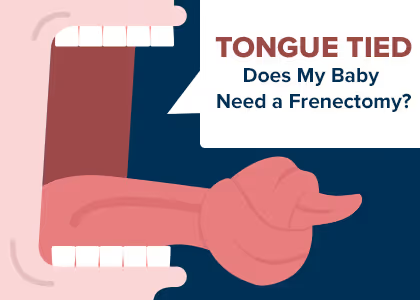
Tongue Tied: Does My Baby Need a Frenectomy?
A frenum is a small fold of muscular tissue in the mouth. Sometimes a frenectomy is needed when it restricts movement.
September 13, 2021
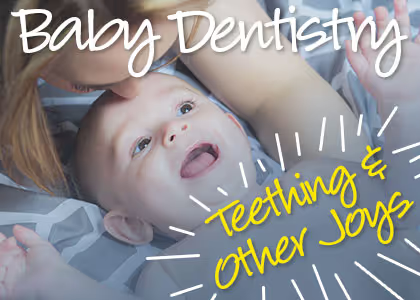
Baby Dentistry: Teething & Other Joys
Your baby's oral health is very important both now and for a lifetime of health. Here's what to know about teething and baby dental care.
August 27, 2021
Is Your Little One Getting Enough Calcium?
Calcium is vital for healthy teeth. Here's how to make sure your little one gets enough in their diet.
August 13, 2021
Is Fluoride Safe for Kids?
We want to address questions and concerns about fluoride safety for kids. Here's what the science says.
July 27, 2021
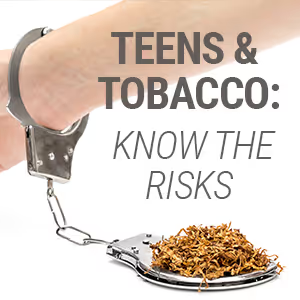
Teens & Tobacco: Know the Risks
There is no such thing as a safe tobacco product. Every tobacco product contains nicotine — and not only is nicotine addictive, but it can harm the brain.
July 16, 2021
Pacifier Pros & Cons
To binky or not to binky? Pacifier use for infants has been a subject of debate as long as they've been around.
June 27, 2021
Teens & Prescription Opioid Use
Addiction to prescription opioids often begins with an innocent prescription. Here's what parents should know about teens and opioids.
June 13, 2021
Is Thumb Sucking Dangerous?
Thumb sucking is normal behavior for babies and young children. More than 75% of little ones suck their thumbs or fingers during early years.
May 27, 2021
4 Ways to Prevent Tooth Decay in Children
Preventing tooth decay in kids is never an easy feat. Here are 4 effective ways to protect your child's teeth from decay.
May 13, 2021
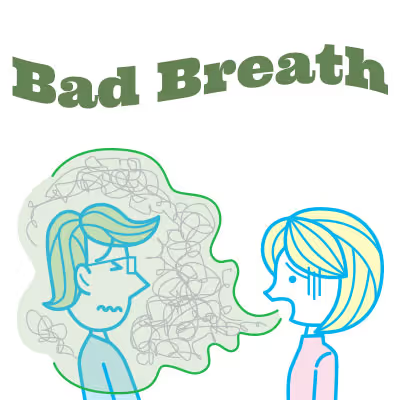
Bad Breath: When Morning Breath Becomes Halitosis
Bad breath, formally known as halitosis, is embarrassing and can hold you back from truly enjoying your life and social situations.