
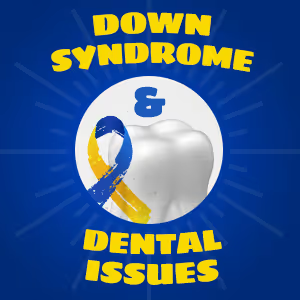
Down Syndrome & Dental Issues
Today, Roseville dentists Dr. Jeff McComb and Dr. Candy McComb would like to discuss the unique dental characteristics of those with Down Syndrome . First teeth may arrive later . Children who have Down syndrome can get their first teeth anywhere from 12 to 24 months of age; they may not have a complete set of baby teeth until age 4 or 5. The eruption of front permanent teeth and 6-year-old permanent molars may also be delayed until 8-9 years of age—and it’s not unusual for any or all of these teeth to show up in a different order than anticipated. Teeth and tongue attributes are different. People with Down syndrome have teeth that are smaller than usual—their tooth roots may even be shorter than those of the average population. Another marker of Down syndrome is a small upper jaw, which can cause a misaligned bite and mouths that do not comfortably accommodate their tongues. Gum disease tends to be more prevalent in people that have Down syndrome. An impaired immune system is present in people who have Down syndrome, so their bodies do not have the natural protection against disease than is typical—so oral hygiene is very important. Consistent dental care is important for every person, and Explorer Kids Dental would love to help your little one with Down syndrome enjoy optimal oral health and wellness. Get in touch with us today to make an appointment! The content of this blog is not intended to be a substitute for professional medical advice, diagnosis, or treatment. Always seek the advice of qualified health providers with questions you may have regarding medical conditions. Explorer Kids Dental 920 Pleasant Grove Blvd. #150, Roseville, CA 95678 (916) 269-9777 https://goo.gl/maps/MdEChWjTsAw
Share this post
Explore more blogs
April 13, 2020
Silver Diamine Fluoride: An Affordable Filling Alternative
Silver diamine fluoride (SDF) is an antibiotic topical liquid solution brushed onto teeth to halt the progression of tooth decay.
March 27, 2020
Oral Cancer – Prevention & Early Detection
Oral cancer affects approximately 50,000 Americans every year. Early detection is key to successful treatment.
March 13, 2020
Is My Child's Loose Tooth Causing Them Pain?
As teeth push their way through gum tissue, your little one will likely be sensitive and in pain. Here's what to do.
February 27, 2020
Are Baby Bottles Bad for Baby Teeth?
Tooth decay in infants and very young children is often called baby bottle tooth decay. Here's what causes it and how to prevent it.

February 13, 2020
Social Stories: Support for Kids with Autism
Social Stories help provide emotional support to autistic kids with the goal of improving their dental and other experiences.
January 27, 2020
Can Children Get Receding Gums?
Receding gums are not uncommon in adults, but children can also experience this progressive loss of gum tissue as young as age 7.

January 13, 2020
Grandparents, Grandkids & Dental Care
Grandparents today are often very involved in the daily lives of their grandchildren. How much has dentistry changed since they were kids?
December 27, 2019
Sports Drinks & Energy Drinks: Proceed with Caution
The American Academy of Pediatrics is cautioning parents that sports and energy drinks have similar effects on children's teeth as soda.
December 14, 2019
What Are Maxillary Teeth?
The upper teeth formed along the maxillary jawbone include the top incisors, molars, premolars, and canines. Here's what you need to know.
November 27, 2019
What's a Pulpotomy? Pain Relief for Tiny Teeth
When the pulp becomes inflamed or infected in a baby tooth, a pulpotomy may provide relief. Here's how it works.
November 13, 2019
Teaching Your Kids to Brush & Floss
Your child's first unassisted brushing and flossing session is a milestone. Here's how to get them ready for it.