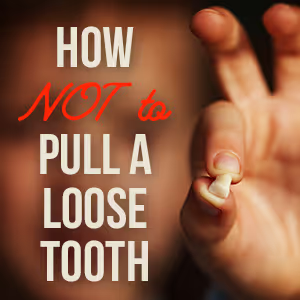
How NOT to Pull a Loose Tooth
We’ve all seen variations of DIY methods when it comes to pulling loose baby teeth: the string and door slam method is by far one of the most popular (although we’re not sure why).But our team at Explorer KidsDental is here to advise against this and similarly aggressive techniques so your kiddo will have the safest and most painless tooth loss experience possible. (Growing up is traumatic enough already, right?) Read on to learn more about the do’s and don’ts of helping wiggly baby teeth make their grand exit.Why baby teeth?All this wiggly tooth talk might have you wondering why we go through this process to begin with—why do we get two sets of teeth? Well, simply because baby mouths are not yet big enough to house a full set of adult chompers. So, we start out with a smaller set of baby teeth to get us through these early, small-mouthed years until our growth and development allows more space for adult teeth to make their entrance. When the permanent teeth start to come in, the roots of the baby teeth dissolve until they’re loose enough to fall out on their own. Patience is a virtue If you ask Drs. Jeff and Candy McComb their advice on pulling a loose baby tooth, they will likely respond with, “Don’t!” If you can avoid it, it’s best to just let baby teeth run their natural course and fall out on their own—it will happen eventually, we promise! If the tooth is not ready to come out naturally, any attempts to remove it will pull on sensitive tooth roots and cause unnecessary pain and bleeding. Pulling out a tooth prematurely can damage connective tissues and lead to infection—not to mention the traumatic experience that may create negative feelings about oral health and dental visits for the rest of their life. However, an extremely wiggly or stubborn tooth that just keeps hanging on by a thread can be frustrating and hard to live with, and we understand why both you and your kiddo might want to expedite the process . If you both feel the tooth is ready to come out and you want to give it a little encouragement, there are some things you can do to help it along. 1) Wiggle baby wiggle Encourage your soon-to-be toothless wonder to wiggle their loose tooth back and forth regularly, either with their tongue or with clean fingers. Wiggling the tooth will help loosen it so hopefully, it will fall out on its own. 2) An apple a day If the tooth is loose enough and on the brink of coming out, eating a crunchy or sticky snack might be just the ticket. Apples and carrots are great healthy options, but if your little one is fearful and needs a little more encouragement, you can opt for a sweet treat like a popsicle (which will also help reduce pain and inflammation) or a sticky tooth trap like a chewy candy. Supervise closely to ensure they don’t bite down on or swallow the tooth. 3) Brush & floss Brushing regularly at least twice per day and flossing daily is always recommended and will give the loose tooth a nudge in the right direction. You can also use floss as a tool for pulling the tooth—if it’s ready to pull. Position the floss in between the gums and the loose tooth and yank quickly outward. 4) Twist & pull gently If you’ve wiggled and wiggled and the tooth is still hanging on by a thread, a gentle twist and pull might be all it takes to pop it out. We encourage you to allow your child to be the one to do so, as they are the only one who can tell if the tooth is ready to pull and feel if (or when) there’s any pain. Use clean fingers or gauze to gently twist and pull the tooth out. To recap, our best advice is to have patience and allow your child’s baby teeth to fall out naturally on their own. But if they just can’t stand it any longer and the tooth is ready to come out, follow our advice above for the safest, most comfortable, and least traumatic methods. As always, if your child experiences any pain, swelling, or excessive bleeding, or the tooth still won’t come out, you should come to see us right away and we’ll remove the tooth safely and painlessly. Contact your Roseville dentists , Drs.Jeff and Candy McComb at Explorer KidsDental today for more advice or to
Share this post
Explore more blogs
April 13, 2020
Silver Diamine Fluoride: An Affordable Filling Alternative
Silver diamine fluoride (SDF) is an antibiotic topical liquid solution brushed onto teeth to halt the progression of tooth decay.
March 27, 2020
Oral Cancer – Prevention & Early Detection
Oral cancer affects approximately 50,000 Americans every year. Early detection is key to successful treatment.
March 13, 2020
Is My Child's Loose Tooth Causing Them Pain?
As teeth push their way through gum tissue, your little one will likely be sensitive and in pain. Here's what to do.
February 27, 2020
Are Baby Bottles Bad for Baby Teeth?
Tooth decay in infants and very young children is often called baby bottle tooth decay. Here's what causes it and how to prevent it.

February 13, 2020
Social Stories: Support for Kids with Autism
Social Stories help provide emotional support to autistic kids with the goal of improving their dental and other experiences.
January 27, 2020
Can Children Get Receding Gums?
Receding gums are not uncommon in adults, but children can also experience this progressive loss of gum tissue as young as age 7.

January 13, 2020
Grandparents, Grandkids & Dental Care
Grandparents today are often very involved in the daily lives of their grandchildren. How much has dentistry changed since they were kids?
December 27, 2019
Sports Drinks & Energy Drinks: Proceed with Caution
The American Academy of Pediatrics is cautioning parents that sports and energy drinks have similar effects on children's teeth as soda.
December 14, 2019
What Are Maxillary Teeth?
The upper teeth formed along the maxillary jawbone include the top incisors, molars, premolars, and canines. Here's what you need to know.
November 27, 2019
What's a Pulpotomy? Pain Relief for Tiny Teeth
When the pulp becomes inflamed or infected in a baby tooth, a pulpotomy may provide relief. Here's how it works.
November 13, 2019
Teaching Your Kids to Brush & Floss
Your child's first unassisted brushing and flossing session is a milestone. Here's how to get them ready for it.