How we Diagnose and Treat Sensitive Teeth
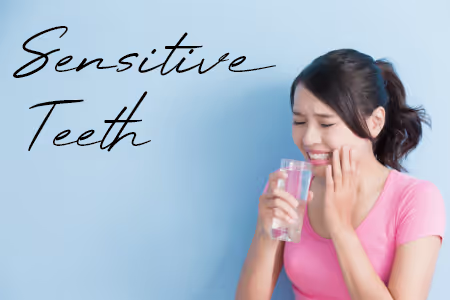
Why can eating ice cream or hot soup hurt your teeth? Tooth sensitivity is a real issue for many people and can be inconvenient and frustrating. The good news is there are treatment options available if you experience sensitivity. To understand how to prevent and treat sensitivity we first need to understand why tooth sensitivity happens.Anatomy of a toothThe outermost layer of the tooth is called the enamel. This hard surface protects the inner layers from encountering foods and drinks. However, when the enamel layer is worn down, broken off or damaged the underlayer — the dentin — is exposed to these things. The dentin is full of tubes or holes that lead directly to the pulp and underlying nerves. When food and drink penetrate the dentin, it triggers pain in the tooth root. There are several reasons the outer layer of the tooth might become worn or damaged. Some ways include: Chipped or fractured teeth If you have an accident or there is trauma to your mouth, you may chip off a piece of your enamel. If the enamel chips off, it may expose the dentin or pulp, this exposes the inner layers of the damaged tooth to food, drink, brushing or flossing. Tooth decay If you have tooth decay or cavities, that means bacteria have penetrated the enamel and created direct access to the inner layers of the tooth. If you have a cavity, you may feel pain when you eat or drink. Problems with fillings If you have a filling that has broken, there may be space for food and drink to get to the nerve and cause pain. If you notice a filling falls out or breaks, make sure you contact your dentist right away.Gum diseasePeriodontal disease can also cause sensitivity. Gum disease happens when bacteria causes the soft tissue surrounding the base of the teeth to become separated from the tooth. Once the gums are no longer creating a good seal on the tooth, the roots become exposed.Enamel erosionThere are several other things that can cause the enamel layer of the teeth to erode. If you grind your teeth or drink a lot of acidic beverages, your enamel may wear down and expose the underlying dentin. Or, if you have acid reflux or low saliva flow you are at higher risk. The enamel is an important protective factor for sensitivity. If you have tooth sensitivity or tooth pain, it’s likely there is an issue with your enamel. Your dentist will take x-rays and examine your gums to determine what is causing the pain.Treatment optionsDepending on your specific issue, there are different treatment options available. Your dentist may prescribe desensitizing or remineralizing toothpaste. These toothpastes have ingredients that help block the tubules that lead to the nerve. Some also contain ingredients that help block the pain from the nerve signal to the brain.Fluoride is also an option.Fluoride helps strengthen tooth enamel. If you have a chip, cavity or fracture a filling, crown, root canal, inlay or onlay could be a solution. These restorative procedures seal the gap in the tooth so outside food and drinks can’t reach the root. If your sensitivity is caused by receding gums, your doctor may suggest gum grafting to cover the exposed root and reduce sensitivity. The best treatment is prevention To prevent sensitive teeth, it’s important to have good home care. You should also make sure you visit the dentist regularly. If you have sensitivity, make sure you call us so we can determine the cause and offer a solution. Call Explorer Kids Dental today! The content of this blog is not intended to be a substitute for professional medical advice, diagnosis, or treatment. Always seek the advice of qualified health providers with questions you may have regarding medical conditions.
Share this post
Explore more blogs
April 13, 2020
Silver Diamine Fluoride: An Affordable Filling Alternative
Silver diamine fluoride (SDF) is an antibiotic topical liquid solution brushed onto teeth to halt the progression of tooth decay.
March 27, 2020
Oral Cancer – Prevention & Early Detection
Oral cancer affects approximately 50,000 Americans every year. Early detection is key to successful treatment.
March 13, 2020
Is My Child's Loose Tooth Causing Them Pain?
As teeth push their way through gum tissue, your little one will likely be sensitive and in pain. Here's what to do.
February 27, 2020
Are Baby Bottles Bad for Baby Teeth?
Tooth decay in infants and very young children is often called baby bottle tooth decay. Here's what causes it and how to prevent it.

February 13, 2020
Social Stories: Support for Kids with Autism
Social Stories help provide emotional support to autistic kids with the goal of improving their dental and other experiences.
January 27, 2020
Can Children Get Receding Gums?
Receding gums are not uncommon in adults, but children can also experience this progressive loss of gum tissue as young as age 7.

January 13, 2020
Grandparents, Grandkids & Dental Care
Grandparents today are often very involved in the daily lives of their grandchildren. How much has dentistry changed since they were kids?
December 27, 2019
Sports Drinks & Energy Drinks: Proceed with Caution
The American Academy of Pediatrics is cautioning parents that sports and energy drinks have similar effects on children's teeth as soda.
December 14, 2019
What Are Maxillary Teeth?
The upper teeth formed along the maxillary jawbone include the top incisors, molars, premolars, and canines. Here's what you need to know.
November 27, 2019
What's a Pulpotomy? Pain Relief for Tiny Teeth
When the pulp becomes inflamed or infected in a baby tooth, a pulpotomy may provide relief. Here's how it works.
November 13, 2019
Teaching Your Kids to Brush & Floss
Your child's first unassisted brushing and flossing session is a milestone. Here's how to get them ready for it.