Is Sedation Dentistry Right for You?
About 30-40 million people a year avoid the dentist due to feelings of anxiety and fear. Fear of going to the dentist is common and thankfully being talked about more and more in the dental world. Many dentists go to great lengths to help patients feel comfortable. They will offer spa-like amenities like warm towels, headphones, soothing music and aromatherapy.However, the comforts don’t always do the trick.Some patients need a little more help to feel comfortable.Enter sedation dentistry.Sedation dentistry can be an excellent tool to help patients that have anxiety or fear when going to the dentist. 3 Types of Sedation Dentistry There are three main levels of sedation used in dentistry each with their own delivery method.Inhalation, oral and intravenous.Sedation dentistry is where the patient will feel a level of relaxation but still be awake for the procedure. It is not going under general anesthesia. Most patients like that they stay awake, but feel calm and often, barely remember the appointment. You should take certain precautions if you will be sedated during your dental appointment. Arrange for a friend or family member to help drive you home. Inhalation Sedation: Nitrous Oxide Nitrous oxide, commonly known as laughing gas, is an easily administered type of sedative. Many people who are nervous about going to the dentist can ask for nitrous and have an easier experience during their cleaning or procedure. We administer nitrous oxide through a mask and the nitrous gas is mixed with oxygen. The patient takes a few deep breaths and then feels giggly and relaxed. The patient will stay awake during the dental procedure but will feel a sense of relaxation.TheNitrous is eliminated from the body quickly and so the patient is usually fine to drive themselves home after treatment.Nitrous is common during pediatric appointments. Oral sedationOral sedation is where the patient takes a pill, orally an hour before their appointment. Typically, the dentist will prescribe a sedative in the Benzodiazepine family.Medications likeTriazolam are common for dental procedures. When under oral sedation, the patient is still awake, and can follow common commands, but may not remember much about the procedure. If you are under oral sedation, you will want to plan for someone to drive you home. Intravenous sedation IV sedation is where you receive the sedative through a vein instead of orally. This allows the sedative to work quickly, and the dentist can adjust the level of sedation during the procedure. You may feel more deeply sedated than with oral sedation, but you will not ‘go under’ like general anesthesia. Not all dentists are trained in IV sedation, so if you are looking for that option, be sure to ask. Sedation can help any nervous or anxious dental patient experience less stress during their dental appointment. If you fall anywhere on the spectrum from nervous to phobic, your dentist can help you determine which sedation option is best for you. If you have further questions or want to read more about sedation dentistry, look at the resources here: The Academy of Medical and Dental Sedation or call us and schedule a consultation . The content of this blog is not intended to be a substitute for professional medical advice, diagnosis, or treatment. Always seek the advice of qualified health providers with questions you may have regarding medical conditions.
Share this post
Explore more blogs
April 13, 2020
Silver Diamine Fluoride: An Affordable Filling Alternative
Silver diamine fluoride (SDF) is an antibiotic topical liquid solution brushed onto teeth to halt the progression of tooth decay.
March 27, 2020
Oral Cancer – Prevention & Early Detection
Oral cancer affects approximately 50,000 Americans every year. Early detection is key to successful treatment.
March 13, 2020
Is My Child's Loose Tooth Causing Them Pain?
As teeth push their way through gum tissue, your little one will likely be sensitive and in pain. Here's what to do.

February 27, 2020
Are Baby Bottles Bad for Baby Teeth?
Tooth decay in infants and very young children is often called baby bottle tooth decay. Here's what causes it and how to prevent it.

February 13, 2020
Social Stories: Support for Kids with Autism
Social Stories help provide emotional support to autistic kids with the goal of improving their dental and other experiences.
January 27, 2020
Can Children Get Receding Gums?
Receding gums are not uncommon in adults, but children can also experience this progressive loss of gum tissue as young as age 7.

January 13, 2020
Grandparents, Grandkids & Dental Care
Grandparents today are often very involved in the daily lives of their grandchildren. How much has dentistry changed since they were kids?
December 27, 2019
Sports Drinks & Energy Drinks: Proceed with Caution
The American Academy of Pediatrics is cautioning parents that sports and energy drinks have similar effects on children's teeth as soda.
December 14, 2019
What Are Maxillary Teeth?
The upper teeth formed along the maxillary jawbone include the top incisors, molars, premolars, and canines. Here's what you need to know.
November 27, 2019
What's a Pulpotomy? Pain Relief for Tiny Teeth
When the pulp becomes inflamed or infected in a baby tooth, a pulpotomy may provide relief. Here's how it works.
November 13, 2019
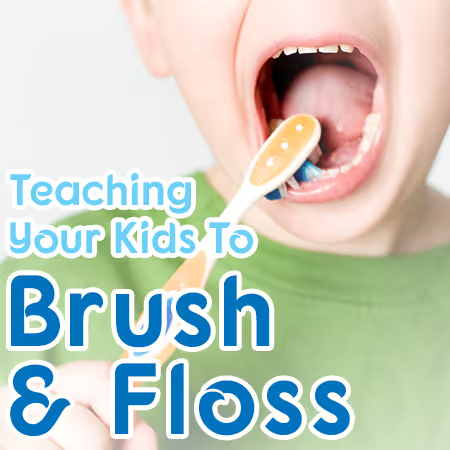
Teaching Your Kids to Brush & Floss
Your child's first unassisted brushing and flossing session is a milestone. Here's how to get them ready for it.