Kids, Candy & Dental Health
Holidays like Halloween, Christmas, and Easter bring extra candy and homemade goodies along with them. Sadly, the bacteria in your child’s mouth are always ready to start producing the acid that contributes to cavities —but candy still can be enjoyed in moderation !Roseville dentists at Explorer KidsDental have the skinny on some common types of holiday candy: Chocolate is one of the most popular candies no matter what the occasion, and it’s one of the safest for your child’s teeth—it’s more conducive to good oral hygiene because it washes off teeth fairly easily. An added bonus: dark chocolate has less sugar than milk chocolate. Sticky and gummy candies are one of the worst types of candy for your teeth—sorry, we know how yummy they taste! Since they are harder to remove from the teeth, the bad bacteria have more time to cause damage. Hard candy needs to be enjoyed with great care . Biting down on hard candy can break teeth, and their sugary contents mingle with the saliva. Since hard candy tends to be held in the mouth longer, bacteria have more opportunity to congregate and cause problems. Sour candy can be very acidic, and that acidity can weaken tooth enamel. Popcorn balls are brought out at many holiday parties, but keep floss handy—they’re yummy, but also sugary and sticky. Developing a habit of rinsing your mouth with water after sugary treats is a good practice for kids from 2 to 122. If you have any questions about pediatric oral hygiene and dental health, get in touch with Explorer Kids Dental today. The content of this blog is not intended to be a substitute for professional medical advice, diagnosis, or treatment. Always seek the advice of qualified health providers with questions you may have regarding medical conditions.
Share this post
Explore more blogs
October 27, 2021
Strategies for Teasing: Helping Kids Feel Better About Their Smile
Studies show the number one reason kids are bullied for their appearance is the way their teeth look. Here are strategies to help.
September 27, 2021
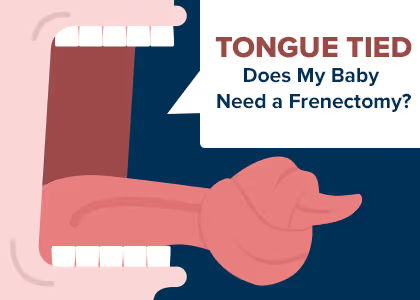
Tongue Tied: Does My Baby Need a Frenectomy?
A frenum is a small fold of muscular tissue in the mouth. Sometimes a frenectomy is needed when it restricts movement.
September 13, 2021
Baby Dentistry: Teething & Other Joys
Your baby's oral health is very important both now and for a lifetime of health. Here's what to know about teething and baby dental care.
August 27, 2021
Is Your Little One Getting Enough Calcium?
Calcium is vital for healthy teeth. Here's how to make sure your little one gets enough in their diet.
August 13, 2021
Is Fluoride Safe for Kids?
We want to address questions and concerns about fluoride safety for kids. Here's what the science says.
July 27, 2021
Teens & Tobacco: Know the Risks
There is no such thing as a safe tobacco product. Every tobacco product contains nicotine — and not only is nicotine addictive, but it can harm the brain.
July 16, 2021
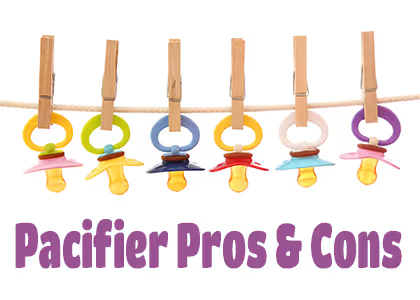
Pacifier Pros & Cons
To binky or not to binky? Pacifier use for infants has been a subject of debate as long as they've been around.
June 27, 2021
Teens & Prescription Opioid Use
Addiction to prescription opioids often begins with an innocent prescription. Here's what parents should know about teens and opioids.
June 13, 2021
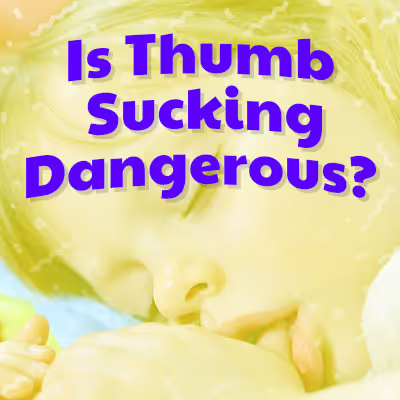
Is Thumb Sucking Dangerous?
Thumb sucking is normal behavior for babies and young children. More than 75% of little ones suck their thumbs or fingers during early years.
May 27, 2021
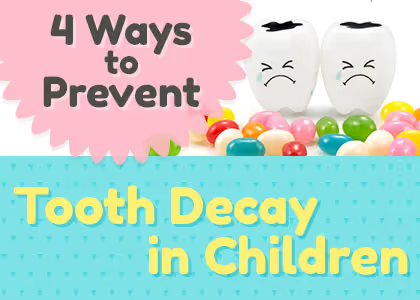
4 Ways to Prevent Tooth Decay in Children
Preventing tooth decay in kids is never an easy feat. Here are 4 effective ways to protect your child's teeth from decay.
May 13, 2021
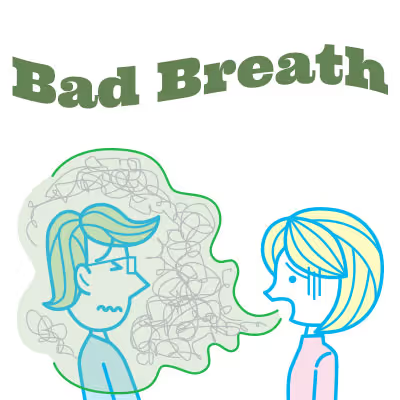
Bad Breath: When Morning Breath Becomes Halitosis
Bad breath, formally known as halitosis, is embarrassing and can hold you back from truly enjoying your life and social situations.