
No Tradesies: Packing Mouth-Healthy Lunches for Kiddos
Breakfast is always being touted as the most important meal of the day—and for good reason! It’s important for families to kickstart their day with nutrients that will help them power through school, work, socializing, sports, homework… does anyone else feel exhausted just thinking about it all? The right foods in your child’s lunch can help boost their energy and keep those brains, bodies, and mouths going all day! Alternatively, lunches full of sugary, sticky, acidic foods and beverages can accelerate tooth decay and cause your child to feel sluggish both physically and mentally.Drs. Jeff & Candy McComb of Explorer KidsDental loves to share ideas on what to include in your child’s lunch to keep their smile safe and their health optimal… and perhaps what to leave out and have as an occasional treat for good behavior. But First, Hydration About 65% of a child’s body is made up of water (60% for adult men, 55% for adult women), and it’s important for this balance to be maintained. Water is the best choice for hydrating for the following reasons: Water tends to be neutral instead of acidic or alkaline, which makes it safe for the teeth. It helps prevent dry mouth (xerostomia), which creates a breeding ground for dangerous, decay and gum disease-causing bacteria. Being adequately hydrated helps aid proper digestion. Water regulates body temperature.It helps deliver oxygen throughout the body.Keeps joints lubricated and is a shock absorber for the brain and spinal cord.Flushes waste from the body, mostly through urine.Encourage your child to keep their mouth and body healthy by sending them to school with a refillable water bottle rather than a bottle of juice or soda. Now for the Flavor You probably guessed that Drs. Jeff & Candy McComb would recommend fruits and veggies, right? There are so many tasty options, and their vitamin and mineral content makes them an excellent choice for both oral and overall health. Our favorites are: Apples Oranges Limes Kiwis Cantaloupe Papaya Strawberries Each of these fruits contains vitamin C, which can help kill bacteria and promote a healthy supply of collagen in the gums. We do suggest your child waits for at least 30 minutes to brush their teeth after eating fruits because the citric acid combined with brushing can weaken tooth enamel and cause erosion. (Everyone should wait 30 minutes to brush their teeth after eating, but especially with highly sugary or acidic foods and drinks.) Veggie Time They may not be your child’s favorite, but veggies are full of goodness for mouth and body health. The following choices naturally scrape away plaque that can build up between meals or be missed when your child brushes: Carrots Celery Cauliflower Green beans Snap peas Spinach Cucumber Sandwiches & Snacks If you’ve been wondering: “What about protein?” we’ve got you covered. We recommend using whole grain wheat bread and enamel-building meats like chicken and turkey. Including cheese will help your child get calcium, vitamin D, and phosphate, too. You can also go with the classic PB & J! Hard-boiled eggs are another good source of protein. For more fiber, folic acid, iron, vitamin E, potassium, and zinc, add nuts like almonds, cashews, and walnuts, as well as sunflower and pumpkin seeds! We know it can be a bit more difficult if you have picky eaters at home, but these foundations are good to keep in mind. At Explorer Kids Dental, we love to find recipes that some of these ingredients can hide in, ensuring our young ones get the health benefits without even knowing it! A proper diet will go a long way toward keeping your child’s smile healthy, but it’s still important to bring them in for thorough, gentle cleanings and cavity prevention methods. We love seeing their smiling faces, too, so contact Explorer Kids Dental today to
Share this post
Explore more blogs
April 13, 2020
Silver Diamine Fluoride: An Affordable Filling Alternative
Silver diamine fluoride (SDF) is an antibiotic topical liquid solution brushed onto teeth to halt the progression of tooth decay.

March 27, 2020
Oral Cancer – Prevention & Early Detection
Oral cancer affects approximately 50,000 Americans every year. Early detection is key to successful treatment.
March 13, 2020
Is My Child's Loose Tooth Causing Them Pain?
As teeth push their way through gum tissue, your little one will likely be sensitive and in pain. Here's what to do.
February 27, 2020
Are Baby Bottles Bad for Baby Teeth?
Tooth decay in infants and very young children is often called baby bottle tooth decay. Here's what causes it and how to prevent it.

February 13, 2020
Social Stories: Support for Kids with Autism
Social Stories help provide emotional support to autistic kids with the goal of improving their dental and other experiences.
January 27, 2020
Can Children Get Receding Gums?
Receding gums are not uncommon in adults, but children can also experience this progressive loss of gum tissue as young as age 7.

January 13, 2020
Grandparents, Grandkids & Dental Care
Grandparents today are often very involved in the daily lives of their grandchildren. How much has dentistry changed since they were kids?
December 27, 2019
Sports Drinks & Energy Drinks: Proceed with Caution
The American Academy of Pediatrics is cautioning parents that sports and energy drinks have similar effects on children's teeth as soda.
December 14, 2019
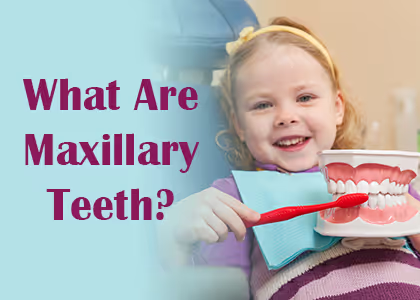
What Are Maxillary Teeth?
The upper teeth formed along the maxillary jawbone include the top incisors, molars, premolars, and canines. Here's what you need to know.
November 27, 2019
What's a Pulpotomy? Pain Relief for Tiny Teeth
When the pulp becomes inflamed or infected in a baby tooth, a pulpotomy may provide relief. Here's how it works.
November 13, 2019
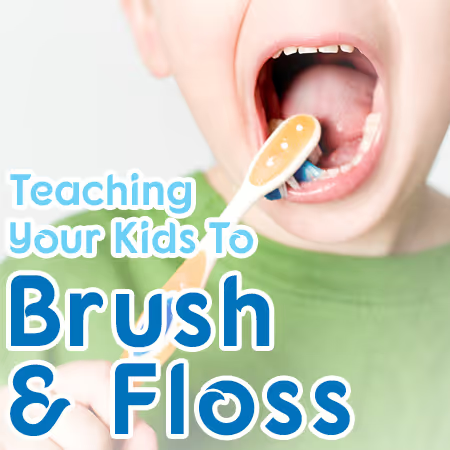
Teaching Your Kids to Brush & Floss
Your child's first unassisted brushing and flossing session is a milestone. Here's how to get them ready for it.