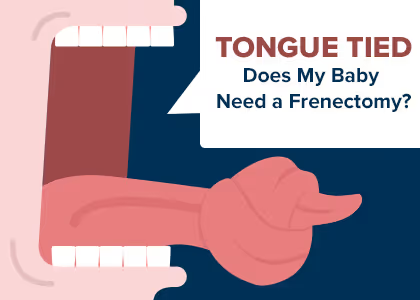
Tongue Tied: Does My Baby Need a Frenectomy?
But first, what’s a frenum? Or is it frenulum? The short answer is, they’re one and the same—a small fold of muscular tissue that prevents an organ in the body from moving too far. There are several in the body, but the two we’ll be discussing today are located in the mouth—labial frenum and lingual frenum.Labial FrenumThe labial frenum connects the inside of the upper lip to the gums between the two upper front teeth. Everyone has one, but sometimes it can be malformed—too short, too long, too rigid—and cause a host of problems for children. Sometimes the labial frenum can create a large gap between the two front teeth, and cause gum recession as the frenum pulls the gums away from the teeth. If the labial frenum is too tight, sometimes it can create an open-mouth position that inhibits the mouth from properly sealing, which can cause mouth breathing and improper development of the airway and jaw.Lingual FrenumThe lingual frenum connects the lower floor of the mouth to the tongue. Most of us can move our tongues around freely for easy speaking and eating, but if the lingual frenum is too tight or too short, it can inhibit the movement of the tongue. This is a condition commonly known as “tongue-tie.” Tongue-Tie Hearing your baby babble their first words and learn to speak is one of the greatest joys of parenting. Tongue-tie (ankyloglossia) can prevent babies and children from being able to breastfeed, eat, and speak properly. Tongue-tie can inhibit proper jaw development, cause long-term orthodontic problems, and sometimes lead to sleep apnea. When the tongue is unable to press against the upper palate during swallowing, it will begin to press against or between the front teeth instead which can affect the development of a proper bite. Tongue-tie is also one of the most common culprits of speech impediments including lisp.FrenectomyWhether our concern is the labial or lingual frenum, the procedure is generally the same. Frenectomy involves snipping or removing the frenum to allow for a greater range of motion of the lips or tongue. First, we will use a local anesthetic to numb the area and ensure your little one doesn’t feel a thing. Left untreated, problems with the frenum can cause a domino effect of consequences for the oral health, aesthetics, development, and function of your child’s smile. If you’ve noticed any of the signs and symptoms discussed above including painful breastfeeding or gapped front teeth, you may want to consider coming in to see Drs. Jeff & Candy McComb for an exam. We can tell you if this tiny bit of tissue is the source of the problem and provide a solution that gives your little one the freedom to grow up happy and healthy. Contact your Roseville dentist at Explorer Kids Dental today to
Share this post
Explore more blogs

April 13, 2020
Silver Diamine Fluoride: An Affordable Filling Alternative
Silver diamine fluoride (SDF) is an antibiotic topical liquid solution brushed onto teeth to halt the progression of tooth decay.

March 27, 2020
Oral Cancer – Prevention & Early Detection
Oral cancer affects approximately 50,000 Americans every year. Early detection is key to successful treatment.
March 13, 2020
Is My Child's Loose Tooth Causing Them Pain?
As teeth push their way through gum tissue, your little one will likely be sensitive and in pain. Here's what to do.
February 27, 2020
Are Baby Bottles Bad for Baby Teeth?
Tooth decay in infants and very young children is often called baby bottle tooth decay. Here's what causes it and how to prevent it.

February 13, 2020
Social Stories: Support for Kids with Autism
Social Stories help provide emotional support to autistic kids with the goal of improving their dental and other experiences.
January 27, 2020
Can Children Get Receding Gums?
Receding gums are not uncommon in adults, but children can also experience this progressive loss of gum tissue as young as age 7.

January 13, 2020
Grandparents, Grandkids & Dental Care
Grandparents today are often very involved in the daily lives of their grandchildren. How much has dentistry changed since they were kids?
December 27, 2019
Sports Drinks & Energy Drinks: Proceed with Caution
The American Academy of Pediatrics is cautioning parents that sports and energy drinks have similar effects on children's teeth as soda.
December 14, 2019
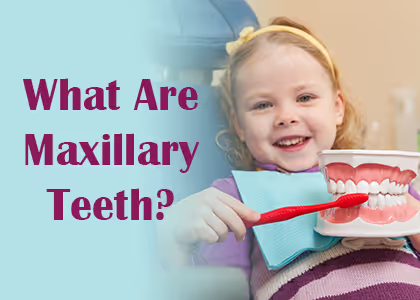
What Are Maxillary Teeth?
The upper teeth formed along the maxillary jawbone include the top incisors, molars, premolars, and canines. Here's what you need to know.
November 27, 2019
What's a Pulpotomy? Pain Relief for Tiny Teeth
When the pulp becomes inflamed or infected in a baby tooth, a pulpotomy may provide relief. Here's how it works.
November 13, 2019
Teaching Your Kids to Brush & Floss
Your child's first unassisted brushing and flossing session is a milestone. Here's how to get them ready for it.