Why Are My Baby's Teeth Stained?
As brand-new humans, it seems logical that babies and children would have gleaming white teeth to go along with their bright eyes and soft skin. Baby teeth—also called primary teeth—generally do appear whiter than adult permanent teeth because they are more calcified. However, it is not uncommon for a child’s teeth to appear less than luminous for any number of reasons.YourRoseville dental team at Explorer Kids Dental would like to share some causes and possible solutions for yellow, brown, and black stains on kids’ teeth . What Causes Stained Baby Teeth? Poor Oral Hygiene – If baby teeth aren’t brushed and flossed thoroughly, bacteria may form and become plaque, which hardens into tartar and can lead to discoloration. Practice thorough oral hygiene for the healthiest, whitest smile . Medication – If babies are given nutritional supplements containing iron, their teeth can become dark and discolored. If their mothers take tetracycline while pregnant or breastfeeding, babies can develop black stains on their teeth. Injury – A single blackened tooth can be the result of dental trauma that caused bleeding inside the tooth.Weak Enamel –Inadequate enamel formation can be hereditary and lead to baby teeth that appear a dull gray color.Excessive Fluoride –Fluorosis is a condition caused by the consumption of too much fluoride when teeth are forming but prior to appearance in the mouth, which takes place before kids are eight years old. To avoid fluorosis, keep an eye on your child’s oral hygiene habits and remind them not to swallow toothpaste or mouthwash. Fluorosis can also be caused by mixing infant formula powder or liquid with fluoridated water if these types of formula are your baby’s main food source. Fluorosis can range in severity from mild, barely visible markings to pitting and black or brown spots in more severe cases. Illness – Some kids’ baby teeth develop with a greenish or yellowish tint if they are born with a condition called hyperbilirubinemia, which means there is too much bilirubin in the blood.Foods & Beverages –This list of staining culprits wouldn’t be complete without some common staining foods and beverages. Thankfully (hopefully), kids don’t need to worry much about tea, coffee, or red wine, which are some of the biggest factors for adults, but any dark-colored foods and drinks like berries or fruit juice will stain their teeth. Even light-colored foods like apples and potatoes go through a process of oxidation that can cause teeth staining. Who knew!? How Can Stained Baby Teeth Be Prevented or Treated? If discoloration is caused by poor dental hygiene, brushing more thoroughly should help. Until your child learns to spit at around age three, don’t use more than a rice-sized smear of fluoride toothpaste on their toothbrush. To decrease bad bacteria in your child’s mouth, avoid putting soft drinks, juice, formula, or other sugary concoctions in their bottle—only allow them a bottle filled with water. If your child uses a pacifier, never dip it in sugar or honey, and try to avoid sharing utensils with your child as this can transfer bacteria from your mouth to theirs (and vice versa!) and increase the likelihood of cavity formation. Depending on your child’s unique dental situation, Drs. Jeff & Candy McComb may watch their teeth for signs of other problems or recommend future procedures like teeth whitening or bonding . Some kids are more sensitive to stained teeth than others due to their natural oral pH level. If you are concerned about stains on your child’s teeth, contact your Roseville dentist, Drs. Jeff & Candy McComb at Explorer Kids Dental today. We’d love to help! The content of this blog is not intended to be a substitute for professional medical advice, diagnosis, or treatment. Always seek the advice of qualified health providers with questions you may have regarding medical conditions.
Share this post
Explore more blogs
October 27, 2022
5 Easy-to-Make Halloween Snacks for Healthy Teeth
Halloween means class parties, trick or treating, and an all-around day full of sugar. There are plenty of healthy and fun ways to celebrate.
October 13, 2022
Pediatric Oral Health FAQ
The Explorer Kids Dental team knows parenting is equal parts rewarding and exhausting. Here are answers to frequently asked questions about pediatric oral health.
September 27, 2022
Does My Child Need a Dental Crown?
Baby teeth are important because they save space for adult teeth and help kids learn to speak, bite, and chew. Sometimes dental crowns are needed.
September 13, 2022
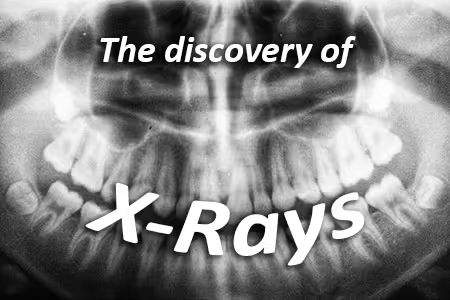
The Discovery of X-Rays
X-rays are now so frequently used we take them for granted. Here's the fascinating story of their discovery and use in dentistry.
August 27, 2022
Does Your Child Have Painful Sores in Their Mouth? This Virus Could be the Cause
Have you heard of Hand, Foot, and Mouth Disease? Despite being a relatively common virus, it's one that makes a lot of parents confused.
August 13, 2022
Benzocaine is Not Safe for Teething!
Benzocaine has been an over-the-counter local dental anesthetic for many years but its use has been linked to a rare but serious condition.
July 27, 2022
Ages & Stages: Kids & Oral Hygiene
At-home oral hygiene routines are the most effective tool but tricky with pediatric patients. Here's what to do at each age.
July 13, 2022
Does Your Child or Teen Experience Chronic Headaches? Chewing Gum Might be to Blame
There are a lot of myths about chewing gum. Explorer Kids Dental wants to clear up whether chewing gum can cause chronic headaches in kids and teens.
June 27, 2022
Lidocaine is Not for Kids
The FDA issued a warning that oral viscous lidocaine should not be used to treat teething pain in infants and young children.
June 13, 2022
A Dental First Aid Kit for Kids
With active kids who run, play, and climb, emergency dental injuries can happen. Here's what to include in a dental first aid kit.
May 27, 2022
This Tool Can Help Your Child Floss Like a Boss!
Getting string in between a child's teeth is a challenge. Explorer Kids Dental shares a helpful flossing tool for kids.