
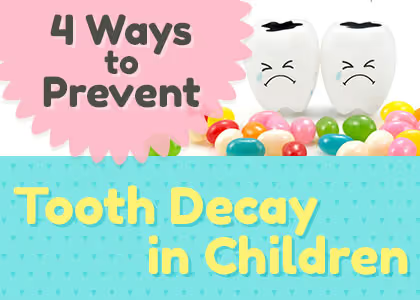
4 Ways to Prevent Tooth Decay in Children
As a parent, you only want what’s best for your little one. Whether you’re a new mom navigating the waters of caring for your firstborn, or a seasoned pro ready to start your own family softball team (sorry neighbor kids, all positions are filled), preventing tooth decay in kids is never an easy feat. Because tiny hands and mouths don’t yet have the knowledge or the dexterity to properly care for their teeth, tooth decay is a common occurrence, and it’s largely up to you to help establish healthy habits and keep tooth decay at bay. Read on to learn the four simplest ways to help prevent tooth decay so your kids can have a head start on a healthy, happy smile for life. 1. A Healthy Oral Hygiene Routine Like, duh! (Do kids still say duh?) Anyway, obviously oral hygiene is one of the most important ways to prevent tooth decay, but implementing it is easier said than done! The easiest way to establish a routine that will stick is to lead by example and start early. These early years are formative, and their brains are like sponges, absorbing everything around them and forming habits and attitudes they will carry with them for life. You should wash your baby’s gums after feeding with a warm washcloth, even before their teeth start to come in. Once their first tooth emerges, you should begin brushing with a baby-sized toothbrush and water. Brush their teeth and gums gently in small circular motions, even where no teeth have emerged yet to stimulate blood blow and get them used to the feeling of brushing. Begin flossing as soon as two or more teeth start to touch. Curve the floss gently in a c-shape around the teeth and under the gums and use a new section of floss between each tooth. Begin using fluoridated toothpaste around age 2-3, when they are able to spit the paste out. Brush for them until they are able to do so effectively themselves, which is typically around age 6 when they are able to tie their own shoes and head off to school. Continue supervising until you’re confident in their big-kid brushing and flossing skills. A healthy hygiene routine includes brushing at least twice per day, before breakfast and before bed, and flossing once daily at either time. Rinsing with water after eating, before brushing, and periodically throughout the day is a great way to reduce plaque, acidity, and enamel damage. 2. Limited Sugar Intake Nowadays, sugar is in just about everything we eat and drink, so it’s more important than ever to pay attention to what you and your kids are consuming regularly. Not only do tooth-decay bugs feed on sugar, but other diseases (including cancers) thrive on it as well, so it’s best to limit sugar as much as possible if your goal is healthy smiles and healthy bodies. Only allow water in the baby bottle. Anything else including breast milk, formula, or juice is chock-full of sugar, and if they’re sipping it from a bottle all day or night, they will almost certainly develop baby-bottle tooth decay. Make juice a “sometimes treat” for special occasions or as a reward for good behavior. Juice, soda, sports drinks, or other sugary beverages should not be their primary form of hydration. Water should always come first and foremost. Choose healthy, natural, unprocessed snacks like fruits, vegetables, berries, cheese, crackers, yogurt, and nuts or trail mix. Avoid sugary snacks and candy as much as possible, and save them for special occasions. The more sugar they have early-on the more they will become addicted to it and crave it on a regular basis. 3.FluorideFluoride is one of our greatest weapons against childhood tooth decay, which is why most cities and towns in the US and Canada have fluoridated public water supplies. It’s also why most mouth rinses and toothpaste contain fluoride, and most dentists provide fluoride treatments for kids. Fluoride is highly effective for preventing tooth decay in children because when teeth are growing, it combines with tooth enamel to form stronger, decay-resistant teeth that are better at fighting off sugar, plaque, and acid.Is Roseville’s water supply fluoridated?You can find out by contacting your community’s water provider. Start using fluoridated toothpaste for your kiddo around age 3. If they’re still getting cavities, talk to Drs. Jeff and Candy McComb. We can provide regular fluoride treatments and recommend a fluoridated mouth rinse for an added boost. If Roseville’s water is not fluoridated or it’s simply not enough to keep the cavity bugs away, we can also recommend fluoride supplements. 4. Regular Dental Visits at Explorer Kids Dental A healthy diet, a solid oral hygiene routine, and plenty of fluoride are all great starts, but oral health is complex and you’ll want a team of well-educated professionals in your corner. Everyone should see the dentist regularly—twice every year or once every six months—but especially kiddos! They are the most susceptible to tooth decay, so you should bring them in to see us often for regular exams and cleanings. Only we have the technology and the tools necessary to remove tartar buildup and detect disease and decay before it becomes serious. Stay on schedule with your regular check-ups, cleanings, and exams. When the appointment is over, go ahead and schedule the next one. Ask Drs. Jeff and Candy McComb plenty of questions. “Why are they still getting cavities?” “What’s that dark spot on the x-ray?” “What can we do better?” The more educated you are about your child’s oral health, the more equipped you will be to help keep tooth decay away. While cavities in kids are very common and usually don’t cause too many problems if they’re filled promptly, untreated tooth decay can be a serious issue for a child’s growth and development. Not only can cavities be very painful for kiddos, but they can also lead to poor performance in school, missed school days, and even behavioral and developmental issues. Not to mention, baby teeth set the stage for adult teeth to grow in properly, so it’s important to keep baby teeth healthy and decay-free to set them up for oral health and confidence later in life. If you follow our advice, you’ll be on the right path to preventing tooth decay and promoting oral health for your child. If you have any further questions or would like to
Share this post
Explore more blogs
April 27, 2022
Can My Child's Asthma Affect Their Dental Health?
More than 26 million Americans have asthma, and it's the leading chronic disease in children. Here's how asthma might affect your child's oral health.
April 13, 2022
Could the HPV Vaccine Decrease My Child's Risk of Oral Cancer?
At Explorer Kids Dental, we may broach sensitive subjects around the ages of 11 and 12, when doctors might recommend the HPV vaccine.
March 27, 2022
What's the Right Amount of Fluoride for Your Child's Teeth?
We know you want your child to love their smile, which is why we're always happy to inform you about the right amount of fluoride.

March 13, 2022
Kids, Candy & Dental Health
Holidays bring extra candy along with them. The bacteria in your child's mouth are always ready to start producing acid that contributes to cavities.
February 27, 2022
Special Needs Dentistry: Everyone Deserves a Healthy Smile!
Everyone deserves quality dental care. Here's how Explorer Kids Dental serves patients with special needs.

February 13, 2022
Questions to Ask Before Special Needs Kids See the Dentist
Sometimes special needs kids have higher anxiety in new situations like visiting the dentist. Here are questions to ask to prepare for a successful visit.
January 27, 2022
How Baby Teeth Help Mouths Grow Up Right
Baby teeth play a crucial role in oral development. Here's why they matter more than you might think.
January 13, 2022
TruDenta® – Truly Life-Changing Dentistry
TruDenta is a drug-free dental pain management system proven to help provide relief from chronic headaches, tinnitus, vertigo, and TMJ dysfunction.

December 27, 2021
Baby Bottles & Water: It's Complicated
Water is the healthiest beverage for kids and adults, but in babies less than six months of age, water is a no-no.

December 13, 2021
Does Your Child Suffer from Bruxism?
Bruxism is the dental term for teeth grinding and jaw clenching, a habit that children and adults can develop, often without being conscious of it.

November 27, 2021
Life Hacks: One Simple Way to Protect Your Child's Smile
Sports-related injuries are the leading cause of emergency room visits for children and teenagers ages 12-17. A simple mouth guard can protect their smile.