
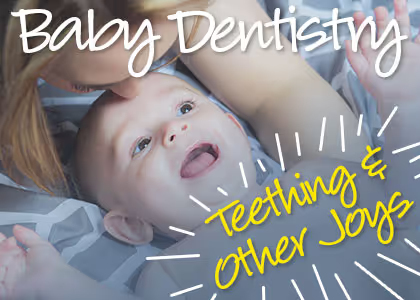
Baby Dentistry: Teething & Other Joys
It’s easy to think that baby teeth aren’t that important. They make their grand entrance (however painfully) and leave your baby’s mouth soon thereafter. But your baby’s oral health is very important, both in the present and to set the stage for a lifetime of health. Today Explorer Kids Dental would like to talk about those tiny teeth and how to care for them.Teething FactsTeething begins anywhere from 3-9 months and can continue until your child is 3 years old.Every baby is different.Teeth emerge in a consistent pattern: lower 2 front incisors; upper 2 front incisors and 2 additional lower incisors; first set of molars; canines; then second molars. One reason we get baby teeth is that our baby mouths aren’t big enough for the size and number of adult teeth we need later in life.Babies have 20 teeth that fall out.They are then replaced by 32 adult teeth. Chewing on a cold, wet washcloth, extra snuggles, and a little pain-relieving medicine are certain to help ease the pain of teething. Contrary to popular belief, teething is not proven to cause sickness like diarrhea, fever, or a runny nose. Children should see the dentist as soon as their first baby teeth start coming in.Taking Care of Baby Teeth Breastfeeding :According to a recent study, babies that exclusively breastfed for at least six months have a 72% less chance of developing an improper bite. Breastfeeding also reduces your child’s risk of baby bottle tooth decay and cavities.Baby Bottle Tooth Decay :Overexposure to sugar in the liquids your baby drinks can cause early tooth decay , which is when the important, hard enamel cover of your teeth breaks down. Enamel never grows back, so it’s very important to protect. Avoid baby tooth decay by only using either formula or breast milk in your child’s bottle, not putting honey or sugar on their pacifiers, and not letting them fall asleep drinking from the bottle. Cleaning : “Welcome to earth! Now, let me wash your gums.” It may seem silly, but you’re actually supposed to wash your baby’s gums from the first day they are born. Use a clean washcloth and water, and maintain the habit as all the baby teeth start coming in. Once a tooth erupts, you can use a grain of rice size amount of fluoridated toothpaste. After age 3 you can use a pea-size amount of toothpaste.Thumbs and Pacifiers :Discuss thumb sucking and pacifier use with Drs. Jeff & Candy McComb. Usually, both are fine until babies become little children. However, they can increase your child’s risk of tooth decay, jaw misalignment, and an improper bite. Consider weaning off either of these habits depending on what your dentist recommends.Insurance for Pediatric Dental Care :Most states cover dental visits for children on governmental support. And most dental offices have flexible payment plans to help everyone prioritize oral health for the whole family. Don’t let finances hold you back from keeping your baby as healthy as possible—feel free to reach out to us, we’re happy to help. Once your baby's first tooth has emerged, it's very important to begin a regular dental care routine.Contact Explorer KidsDental today to make an appointment . We’d love to see your little bundle of joy smile! The content of this blog is not intended to be a substitute for professional medical advice, diagnosis, or treatment. Always seek the advice of qualified health providers with questions you may have regarding medical conditions.
Share this post
Explore more blogs
April 27, 2022
Can My Child's Asthma Affect Their Dental Health?
More than 26 million Americans have asthma, and it's the leading chronic disease in children. Here's how asthma might affect your child's oral health.
April 13, 2022
Could the HPV Vaccine Decrease My Child's Risk of Oral Cancer?
At Explorer Kids Dental, we may broach sensitive subjects around the ages of 11 and 12, when doctors might recommend the HPV vaccine.
March 27, 2022
What's the Right Amount of Fluoride for Your Child's Teeth?
We know you want your child to love their smile, which is why we're always happy to inform you about the right amount of fluoride.
March 13, 2022
Kids, Candy & Dental Health
Holidays bring extra candy along with them. The bacteria in your child's mouth are always ready to start producing acid that contributes to cavities.
February 27, 2022
Special Needs Dentistry: Everyone Deserves a Healthy Smile!
Everyone deserves quality dental care. Here's how Explorer Kids Dental serves patients with special needs.
February 13, 2022
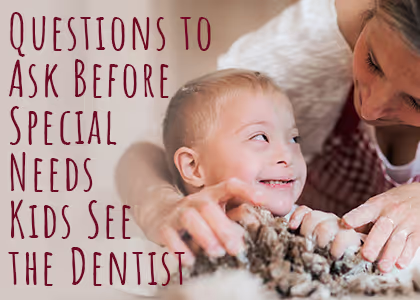
Questions to Ask Before Special Needs Kids See the Dentist
Sometimes special needs kids have higher anxiety in new situations like visiting the dentist. Here are questions to ask to prepare for a successful visit.
January 27, 2022
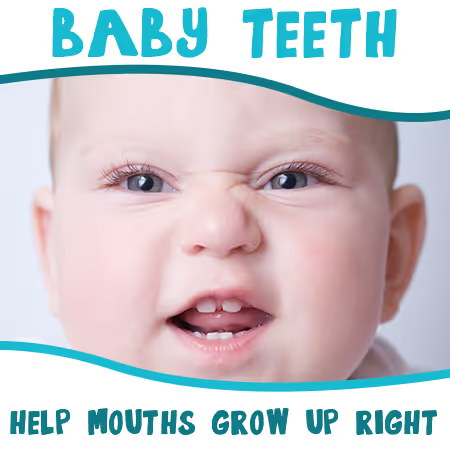
How Baby Teeth Help Mouths Grow Up Right
Baby teeth play a crucial role in oral development. Here's why they matter more than you might think.
January 13, 2022
TruDenta® – Truly Life-Changing Dentistry
TruDenta is a drug-free dental pain management system proven to help provide relief from chronic headaches, tinnitus, vertigo, and TMJ dysfunction.
December 27, 2021
Baby Bottles & Water: It's Complicated
Water is the healthiest beverage for kids and adults, but in babies less than six months of age, water is a no-no.
December 13, 2021
Does Your Child Suffer from Bruxism?
Bruxism is the dental term for teeth grinding and jaw clenching, a habit that children and adults can develop, often without being conscious of it.
November 27, 2021
Life Hacks: One Simple Way to Protect Your Child's Smile
Sports-related injuries are the leading cause of emergency room visits for children and teenagers ages 12-17. A simple mouth guard can protect their smile.