
Can F's on Dental Checkups Cause F's in School?
Going to school and getting an education are essential components of a child’s development, and they take the things they learn with them for the rest of their lives. No matter what type of school children attend, their support system at home has a great deal to do with not only their feelings about school, but how well they perform there. You may be surprised to learn that children with favorable oral health are more likely to achieve success in school. School attendance is integral to academic achievement, but dental conditions are to blame for 51 million lost school hours among children every year—and dental pain is linked to poorer performance when kids do make it to class. Roseville dentists, Drs. Jeff and Candy McComb , share more about this topic below. Research Finds… A 2008 study conducted by the North Carolina Child Health Assessment and Monitoring Program examined risk factors for poor performance among school-aged children. Risk factors included school absences and performance, oral health status, parental education level, health insurance coverage, race, and gender. Children in poor oral health were three times as likely to miss school due to dental pain; school absences from dental pain were linked to poor school performance, while school absences from routine dental care showed no correlation between poor school performance and missing class. The study ultimately classified children in poor oral health as being up to 40 percent more likely to have trouble in school, further citing low levels of parental education, low socioeconomic status, and below-average overall health to poor academic performance. The study concluded that the improvement of children’s oral health status could be a vehicle to enhance their school experience and progress.The American Journal of PublicHealth expanded on the North Carolina study in a 2011 article, acknowledging that former U.S. Surgeon General, C. Everett Koop, had officially acknowledged the relationship between oral health and overall health as far back as the early 1980s and that subsequent health officials had reinforced that acknowledgment. The 2011 article indicated that dental caries ( cavities ) in children are the most prevalent childhood disease, occurring 5 to 8 times more often than asthma, the second most common childhood illness. Chronic illness affects the quality of life—and for most children, life includes school.School-Based Oral Health ProgramsSome schools have taken steps to promote better oral hygiene among students. School-based programs like these may include oral health education, fluoride rinses, dental screenings, and even dental sealants to prevent tooth decay. The advantage of programs like these is that they reach children who may not have access to pediatric dentistry, but they are only available in regions with the financial resources to sustain them.Good Oral Health Habits Start at HomeGood oral hygiene is the foundation of oral health and wellness. Brushing at least twice each day and flossing once each day is a great place to start. Drinking and rinsing with water after meals and snacks also can also make the mouth a little cleaner between brushing. If you have any questions about oral health and your child’s school performance, your Roseville dentist at Explorer Kids Dental can help you find answers. Contact us to
Share this post
Explore more blogs
April 27, 2022
Can My Child's Asthma Affect Their Dental Health?
More than 26 million Americans have asthma, and it's the leading chronic disease in children. Here's how asthma might affect your child's oral health.
April 13, 2022
Could the HPV Vaccine Decrease My Child's Risk of Oral Cancer?
At Explorer Kids Dental, we may broach sensitive subjects around the ages of 11 and 12, when doctors might recommend the HPV vaccine.
March 27, 2022
What's the Right Amount of Fluoride for Your Child's Teeth?
We know you want your child to love their smile, which is why we're always happy to inform you about the right amount of fluoride.
March 13, 2022
Kids, Candy & Dental Health
Holidays bring extra candy along with them. The bacteria in your child's mouth are always ready to start producing acid that contributes to cavities.
February 27, 2022
Special Needs Dentistry: Everyone Deserves a Healthy Smile!
Everyone deserves quality dental care. Here's how Explorer Kids Dental serves patients with special needs.
February 13, 2022
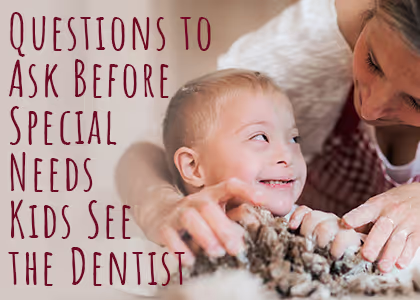
Questions to Ask Before Special Needs Kids See the Dentist
Sometimes special needs kids have higher anxiety in new situations like visiting the dentist. Here are questions to ask to prepare for a successful visit.
January 27, 2022
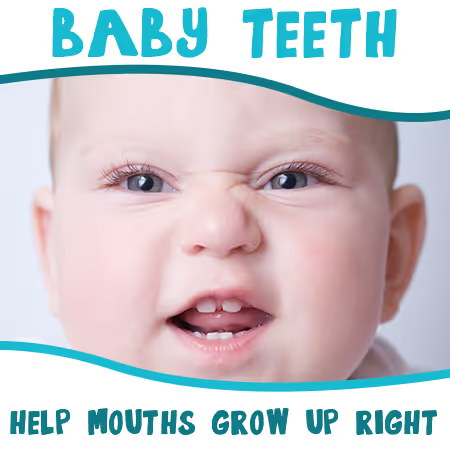
How Baby Teeth Help Mouths Grow Up Right
Baby teeth play a crucial role in oral development. Here's why they matter more than you might think.
January 13, 2022
TruDenta® – Truly Life-Changing Dentistry
TruDenta is a drug-free dental pain management system proven to help provide relief from chronic headaches, tinnitus, vertigo, and TMJ dysfunction.

December 27, 2021
Baby Bottles & Water: It's Complicated
Water is the healthiest beverage for kids and adults, but in babies less than six months of age, water is a no-no.
December 13, 2021
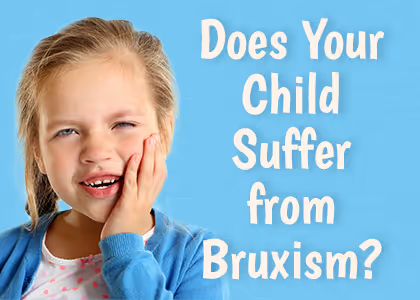
Does Your Child Suffer from Bruxism?
Bruxism is the dental term for teeth grinding and jaw clenching, a habit that children and adults can develop, often without being conscious of it.

November 27, 2021
Life Hacks: One Simple Way to Protect Your Child's Smile
Sports-related injuries are the leading cause of emergency room visits for children and teenagers ages 12-17. A simple mouth guard can protect their smile.