
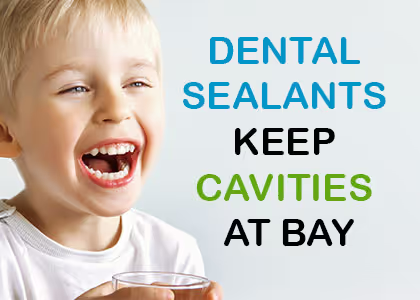
Dental Sealants Keep Cavities at Bay
A trip to the dentist should be a pleasant experience. That’s what we want for our kids: happy associations with that twice-annual visit to Drs.Jeff and Candy McComb .Nothing ruins the good feeling at a dental visit faster than the dreaded words, “I found a cavity.” A cavity in a baby tooth is bad news, but not the end of the world. A cavity in a newly erupted permanent tooth is more cause for concern. So what is a cavity? How do they form? And, what can we do to keep them from ever getting started? What is a Cavity? Simply, a cavity, also known as dental caries, is a hole in the tooth enamel. A tooth has an outer layer of hard enamel surrounding an inner layer of dentin, which covers the tooth pulp, which contains blood vessels and a nerve. A cavity forms when the enamel is weakened then fails and no longer covers the dentin. A small cavity can usually be drilled to remove any decayed portion and stop further decay, then filled with strong material, like resin, to re-strengthen the remaining tooth with a tooth-colored filling . A larger cavity might require more extensive drilling and different materials to strengthen it. A very large cavity might need a root canal , where the inside of the tooth is removed and the whole tooth is filled.How Do Cavities Form?Cavities form when bacteria grow on the tooth and produce acid, softening the enamel and weakening it until it fails. Some children have more cavity-forming bacteria and acid in their mouths and are more likely to develop cavities. Highly acidic environments, which tend to occur in the mouth after eating, encourage the cavity-causing bacteria to grow. So, children who are frequent snackers or drink milk or juice between meals are more likely to develop cavities. So-called “bottle mouth” or “baby bottle tooth decay” occurs when small children sleep with a bottle or sippy cup, keeping the acid levels in their mouth high and aiding the growth of bad bacteria.Poor brushing technique is the best-known cause of cavities.The bacteria stick to the tooth surface, but debris left after brushing is much easier to stick to. This allows the bacteria to grow faster, sticking to the leftovers and creating plaque buildup, which further encourages bacteria and causes tooth decay. That’s why it is so important to help children learn proper brushing technique and proper oral care habits. What Can We Do to Prevent Cavities? It turns out, there’s quite a bit we can do to prevent cavities.First, teach your children proper brushing habits and techniques.Encourage young children to rinse with water immediately after eating, particularly after eating sugary snacks and juice. Still, as bad as a cavity in a baby tooth can be, and they can be a major pain, we want to do everything we can to prevent decay in permanent teeth. This is where dental sealants can play a big role. A dental sealant is a thin layer of protective material that is applied to the permanent molars in the back of the mouth. It provides extra protection to those tricky-to-brush teeth and helps keep them healthy for a lifetime. Ideally, sealants should be applied as soon as the molars come in (six years old for the first set of permanent molars) to keep any decay from starting.Do Sealants Actually Make a Difference?Studies have shown dental sealants can make a really big difference. The CDC reports that children without sealants have almost three times more cavities than children with sealants. Research shows that a tooth with a sealant has an 80% lowered cavity risk. Given what we know about how effective sealants can be, they are definitely worth considering to keep permanent teeth healthy. Ask at your child’s next dental visit if they are a good candidate for dental sealants. If you have any questions about sealants or would like to schedule a visit with your Roseville dentist, Drs. Jeff and Candy McComb at Explorer Kids Dental, please contact us today to
Share this post
Explore more blogs
April 27, 2022
Can My Child's Asthma Affect Their Dental Health?
More than 26 million Americans have asthma, and it's the leading chronic disease in children. Here's how asthma might affect your child's oral health.
April 13, 2022
Could the HPV Vaccine Decrease My Child's Risk of Oral Cancer?
At Explorer Kids Dental, we may broach sensitive subjects around the ages of 11 and 12, when doctors might recommend the HPV vaccine.
March 27, 2022
What's the Right Amount of Fluoride for Your Child's Teeth?
We know you want your child to love their smile, which is why we're always happy to inform you about the right amount of fluoride.

March 13, 2022
Kids, Candy & Dental Health
Holidays bring extra candy along with them. The bacteria in your child's mouth are always ready to start producing acid that contributes to cavities.
February 27, 2022
Special Needs Dentistry: Everyone Deserves a Healthy Smile!
Everyone deserves quality dental care. Here's how Explorer Kids Dental serves patients with special needs.
February 13, 2022
Questions to Ask Before Special Needs Kids See the Dentist
Sometimes special needs kids have higher anxiety in new situations like visiting the dentist. Here are questions to ask to prepare for a successful visit.
January 27, 2022
How Baby Teeth Help Mouths Grow Up Right
Baby teeth play a crucial role in oral development. Here's why they matter more than you might think.
January 13, 2022
TruDenta® – Truly Life-Changing Dentistry
TruDenta is a drug-free dental pain management system proven to help provide relief from chronic headaches, tinnitus, vertigo, and TMJ dysfunction.
December 27, 2021
Baby Bottles & Water: It's Complicated
Water is the healthiest beverage for kids and adults, but in babies less than six months of age, water is a no-no.
December 13, 2021
Does Your Child Suffer from Bruxism?
Bruxism is the dental term for teeth grinding and jaw clenching, a habit that children and adults can develop, often without being conscious of it.

November 27, 2021
Life Hacks: One Simple Way to Protect Your Child's Smile
Sports-related injuries are the leading cause of emergency room visits for children and teenagers ages 12-17. A simple mouth guard can protect their smile.