
Down Syndrome & Dental Issues
Today, Roseville dentists Dr. Jeff McComb and Dr. Candy McComb would like to discuss the unique dental characteristics of those with Down Syndrome . First teeth may arrive later . Children who have Down syndrome can get their first teeth anywhere from 12 to 24 months of age; they may not have a complete set of baby teeth until age 4 or 5. The eruption of front permanent teeth and 6-year-old permanent molars may also be delayed until 8-9 years of age—and it’s not unusual for any or all of these teeth to show up in a different order than anticipated. Teeth and tongue attributes are different. People with Down syndrome have teeth that are smaller than usual—their tooth roots may even be shorter than those of the average population. Another marker of Down syndrome is a small upper jaw, which can cause a misaligned bite and mouths that do not comfortably accommodate their tongues. Gum disease tends to be more prevalent in people that have Down syndrome. An impaired immune system is present in people who have Down syndrome, so their bodies do not have the natural protection against disease than is typical—so oral hygiene is very important. Consistent dental care is important for every person, and Explorer Kids Dental would love to help your little one with Down syndrome enjoy optimal oral health and wellness. Get in touch with us today to make an appointment! The content of this blog is not intended to be a substitute for professional medical advice, diagnosis, or treatment. Always seek the advice of qualified health providers with questions you may have regarding medical conditions. Explorer Kids Dental 920 Pleasant Grove Blvd. #150, Roseville, CA 95678 (916) 269-9777 https://goo.gl/maps/MdEChWjTsAw
Share this post
Explore more blogs
April 27, 2022
Can My Child's Asthma Affect Their Dental Health?
More than 26 million Americans have asthma, and it's the leading chronic disease in children. Here's how asthma might affect your child's oral health.
April 13, 2022
Could the HPV Vaccine Decrease My Child's Risk of Oral Cancer?
At Explorer Kids Dental, we may broach sensitive subjects around the ages of 11 and 12, when doctors might recommend the HPV vaccine.
March 27, 2022
What's the Right Amount of Fluoride for Your Child's Teeth?
We know you want your child to love their smile, which is why we're always happy to inform you about the right amount of fluoride.
March 13, 2022
Kids, Candy & Dental Health
Holidays bring extra candy along with them. The bacteria in your child's mouth are always ready to start producing acid that contributes to cavities.
February 27, 2022
Special Needs Dentistry: Everyone Deserves a Healthy Smile!
Everyone deserves quality dental care. Here's how Explorer Kids Dental serves patients with special needs.
February 13, 2022
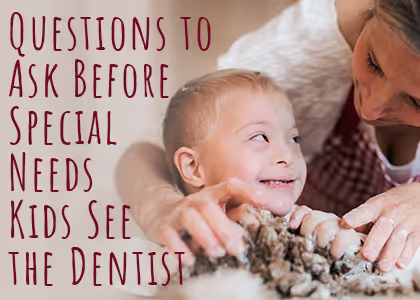
Questions to Ask Before Special Needs Kids See the Dentist
Sometimes special needs kids have higher anxiety in new situations like visiting the dentist. Here are questions to ask to prepare for a successful visit.
January 27, 2022
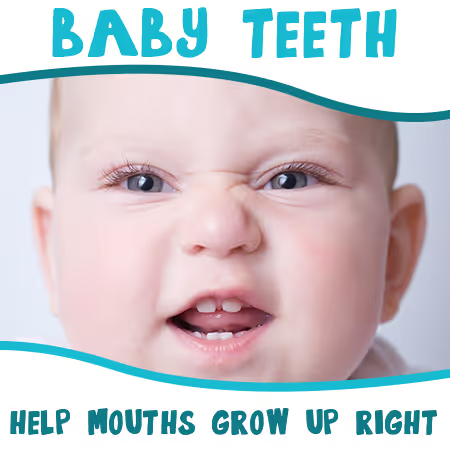
How Baby Teeth Help Mouths Grow Up Right
Baby teeth play a crucial role in oral development. Here's why they matter more than you might think.
January 13, 2022
TruDenta® – Truly Life-Changing Dentistry
TruDenta is a drug-free dental pain management system proven to help provide relief from chronic headaches, tinnitus, vertigo, and TMJ dysfunction.

December 27, 2021
Baby Bottles & Water: It's Complicated
Water is the healthiest beverage for kids and adults, but in babies less than six months of age, water is a no-no.
December 13, 2021
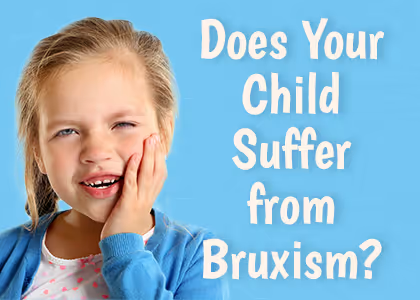
Does Your Child Suffer from Bruxism?
Bruxism is the dental term for teeth grinding and jaw clenching, a habit that children and adults can develop, often without being conscious of it.

November 27, 2021
Life Hacks: One Simple Way to Protect Your Child's Smile
Sports-related injuries are the leading cause of emergency room visits for children and teenagers ages 12-17. A simple mouth guard can protect their smile.