Everything You Want to Know About Teeth Whitening
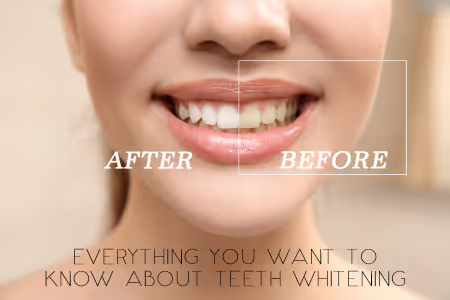
Are you considering teeth whitening before a big event? Do you want to have a smile that is the star of your wedding? Teeth whitening is a popular cosmetic procedure and can boost confidence, eliminate stubborn stains, and give you a look that really shines. However, like any dental procedure, it’s important to understand why your teeth are stained in the first place, what teeth whitening is like, and finally, how to prolong the results of professional teeth whitening. If you’d like to book a consult now, reach Explorer Kids Dental here. Common Causes of Teeth Staining A column in TuftsNow by clinical professor Ronald Perry outlines some common causes of extrinsic staining, or staining of the enamel: Black tea Coffee Wines, red and white Dark-colored food (beets, chocolate) Berries Popsicles Candy Pickles Soy sauce Curry Smoking The good news about extrinsic stains is we can treat them with teeth whitening and proper brushing and flossing. There are also ways Dr. Perry suggests you mitigate staining agents. He advises drinking dark liquids through a straw to avoid contact with the teeth, brush and floss after consuming food and drink, chewing sugarless gum, and finally eating a diet high in fiber. However, if your efforts to mitigate staining have started too late, he suggests teeth bleaching as a good option to eliminate extrinsic stains. What are My Options for Teeth Whitening? We’re all familiar with the over-the-counter teeth whitening strips. While convenient, there is the danger of falling into the ‘more is better’ trap, explained by Dr.Adam S. Harwood, DMD in Dentistry Today.The idea that adding more peroxide, charcoal, or other trendy solution to your at home regimen will cause whiter teeth, isn’t necessarily the case.Too much of anything can be damaging.Professional teeth whitening is a safer and more predictable option. There are several brands of professional whitening, but most fall into two categories: In office and at home solutions. In office whitening If you choose an in-office approach, you will choose the level of whiteness you wish your teeth to reach with your dental provider. They will then prep your teeth and gums for safe application of the specially formulated whitening gel. Some offices will then shine a special activation light on the gel to speed up whitening, others don’t. When your whitening session is complete, the gel is cleaned off and a topical anti-sensitivity product applied. We send you on your way with instructions for avoiding certain food and drinks to maintain your new bright smile. At home professional teeth whitening If you prefer to whiten in the comfort of your own home, your dentist will fit you for professional plastic whitening trays. Then they will provide prescription-strength gel to fill the trays and wear at home. Depending on the solution, you may wear the trays several days in a row, or for a few days a month until you reach your desired shade. At-home whitening can be a great way to whiten your teeth on your schedule.What Your Dentist Wants You to KnowTeeth whitening under the supervision of your dentist is ideal. You can get a bright white smile that is also healthy. You will also get professional recommendations on how to maintain your results, and most dentists will also provide at-home touch up options to keep your smile bright between visits. If it interests you to whiten your teeth or you have questions, please reach out!Contact Explorer Kids Dental .The content of this blog is not intended to be a substitute for professional medical advice, diagnosis, or treatment. Always seek the advice of qualified health providers with questions you may have regarding medical conditions.
Share this post
Explore more blogs
April 13, 2020
Silver Diamine Fluoride: An Affordable Filling Alternative
Silver diamine fluoride (SDF) is an antibiotic topical liquid solution brushed onto teeth to halt the progression of tooth decay.
March 27, 2020
Oral Cancer – Prevention & Early Detection
Oral cancer affects approximately 50,000 Americans every year. Early detection is key to successful treatment.
March 13, 2020
Is My Child's Loose Tooth Causing Them Pain?
As teeth push their way through gum tissue, your little one will likely be sensitive and in pain. Here's what to do.
February 27, 2020
Are Baby Bottles Bad for Baby Teeth?
Tooth decay in infants and very young children is often called baby bottle tooth decay. Here's what causes it and how to prevent it.

February 13, 2020
Social Stories: Support for Kids with Autism
Social Stories help provide emotional support to autistic kids with the goal of improving their dental and other experiences.
January 27, 2020
Can Children Get Receding Gums?
Receding gums are not uncommon in adults, but children can also experience this progressive loss of gum tissue as young as age 7.

January 13, 2020
Grandparents, Grandkids & Dental Care
Grandparents today are often very involved in the daily lives of their grandchildren. How much has dentistry changed since they were kids?
December 27, 2019
Sports Drinks & Energy Drinks: Proceed with Caution
The American Academy of Pediatrics is cautioning parents that sports and energy drinks have similar effects on children's teeth as soda.
December 14, 2019
What Are Maxillary Teeth?
The upper teeth formed along the maxillary jawbone include the top incisors, molars, premolars, and canines. Here's what you need to know.
November 27, 2019
What's a Pulpotomy? Pain Relief for Tiny Teeth
When the pulp becomes inflamed or infected in a baby tooth, a pulpotomy may provide relief. Here's how it works.
November 13, 2019
Teaching Your Kids to Brush & Floss
Your child's first unassisted brushing and flossing session is a milestone. Here's how to get them ready for it.