
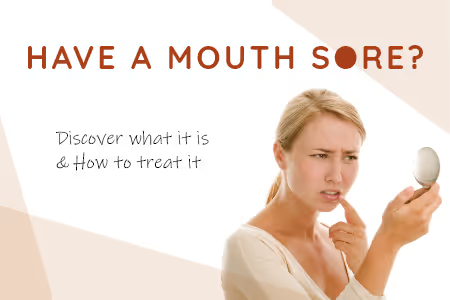
Have a Mouth Sore? What is it and How to Treat it
Almost all of us have dealt with pain in or around our mouths because of a cold sore or canker sore in our lives. But do you really know the difference between these two ailments? Here Explorer Kids Dental will talk about both cold sores and canker sores, and we will discuss the differences between the two. Starting with cold sores, which are clusters of blisters caused by the herpes virus type 1 or 2, and usually appear on or around the lips. Although, sometimes they can show up on the gums or on the roof of the mouth. We sometimes refer them as “fever blisters” which are filled with fluid and are very painful. Most times, the initial infection, also known as “primary herpes,” affects individuals during their teenage years, and many do not realize what they are dealing with, instead assuming they are sick with the flu. Some individuals stay very sick for a week or more because of this initial infection of the herpes virus. When someone contracts the herpes virus, it never goes away, although it may lie dormant for long periods of time. However, when active flare-ups occur, people may have cold sores appear on the lips, gums, or roof of the mouth. What Causes A Cold Sore Flare Up? Weather (heat/cold/wind) Sickness/Fever Stress A patient can purchase numbing agents at many pharmacies and grocery stores without seeing a Dentist. These over-the-counter medications do not speed up the healing time of a cold sore, but they provide relief for any pain and discomfort the patient may experience. When one of these blisters splits open, a scab will form on the site of the sore, but normally heals within a week. Medications a dentist may prescribe will only work for a few days, and if the patient is in good health, a dentist will not write prescriptions for these medications. When to See Your Dentist A patient should
Share this post
Explore more blogs
April 27, 2022
Can My Child's Asthma Affect Their Dental Health?
More than 26 million Americans have asthma, and it's the leading chronic disease in children. Here's how asthma might affect your child's oral health.
April 13, 2022
Could the HPV Vaccine Decrease My Child's Risk of Oral Cancer?
At Explorer Kids Dental, we may broach sensitive subjects around the ages of 11 and 12, when doctors might recommend the HPV vaccine.
March 27, 2022
What's the Right Amount of Fluoride for Your Child's Teeth?
We know you want your child to love their smile, which is why we're always happy to inform you about the right amount of fluoride.
March 13, 2022
Kids, Candy & Dental Health
Holidays bring extra candy along with them. The bacteria in your child's mouth are always ready to start producing acid that contributes to cavities.
February 27, 2022
Special Needs Dentistry: Everyone Deserves a Healthy Smile!
Everyone deserves quality dental care. Here's how Explorer Kids Dental serves patients with special needs.

February 13, 2022
Questions to Ask Before Special Needs Kids See the Dentist
Sometimes special needs kids have higher anxiety in new situations like visiting the dentist. Here are questions to ask to prepare for a successful visit.
January 27, 2022
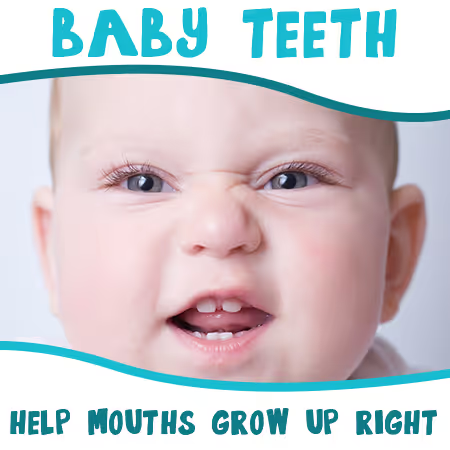
How Baby Teeth Help Mouths Grow Up Right
Baby teeth play a crucial role in oral development. Here's why they matter more than you might think.
January 13, 2022
TruDenta® – Truly Life-Changing Dentistry
TruDenta is a drug-free dental pain management system proven to help provide relief from chronic headaches, tinnitus, vertigo, and TMJ dysfunction.
December 27, 2021
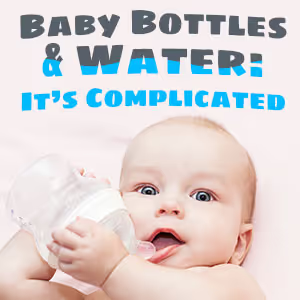
Baby Bottles & Water: It's Complicated
Water is the healthiest beverage for kids and adults, but in babies less than six months of age, water is a no-no.
December 13, 2021
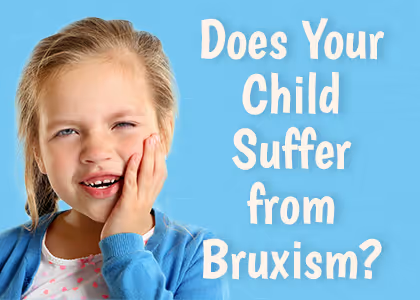
Does Your Child Suffer from Bruxism?
Bruxism is the dental term for teeth grinding and jaw clenching, a habit that children and adults can develop, often without being conscious of it.

November 27, 2021
Life Hacks: One Simple Way to Protect Your Child's Smile
Sports-related injuries are the leading cause of emergency room visits for children and teenagers ages 12-17. A simple mouth guard can protect their smile.