
Have a Mouth Sore? What is it and How to Treat it
Almost all of us have dealt with pain in or around our mouths because of a cold sore or canker sore in our lives. But do you really know the difference between these two ailments? Here Explorer Kids Dental will talk about both cold sores and canker sores, and we will discuss the differences between the two. Starting with cold sores, which are clusters of blisters caused by the herpes virus type 1 or 2, and usually appear on or around the lips. Although, sometimes they can show up on the gums or on the roof of the mouth. We sometimes refer them as “fever blisters” which are filled with fluid and are very painful. Most times, the initial infection, also known as “primary herpes,” affects individuals during their teenage years, and many do not realize what they are dealing with, instead assuming they are sick with the flu. Some individuals stay very sick for a week or more because of this initial infection of the herpes virus. When someone contracts the herpes virus, it never goes away, although it may lie dormant for long periods of time. However, when active flare-ups occur, people may have cold sores appear on the lips, gums, or roof of the mouth. What Causes A Cold Sore Flare Up? Weather (heat/cold/wind) Sickness/Fever Stress A patient can purchase numbing agents at many pharmacies and grocery stores without seeing a Dentist. These over-the-counter medications do not speed up the healing time of a cold sore, but they provide relief for any pain and discomfort the patient may experience. When one of these blisters splits open, a scab will form on the site of the sore, but normally heals within a week. Medications a dentist may prescribe will only work for a few days, and if the patient is in good health, a dentist will not write prescriptions for these medications. When to See Your Dentist A patient should
Share this post
Explore more blogs
April 13, 2019
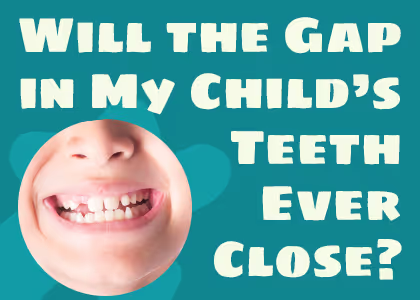
Will the Gap in My Child's Teeth Ever Close?
Diastema is the medical name for a space or gap between two teeth. A gap can occur between any two teeth. Here's what to expect.