Is Fluoride Safe for Kids?
At Explorer Kids Dental, we know that Roseville parents work hard to prioritize their child’s health and happiness—you can count on us to do the same! The smiles of your children are a contagious expression of delight, and our role as their oral healthcare provider is to protect those precious pearly whites.That’s why we fillRoseville parents in on the ways we can help prevent their child from experiencing the pain of cavities. Fluoride treatments are a quick, painless way to strengthen teeth and keep decay-causing bugs away.Are Fluoride Treatments Safe for Children? Yes!They are an especially important prevention method in communities that don’t have fluoridated tap water. When combined with dental sealants , fluoride treatments have a 95% success rate in cavity prevention. The reason fluoride is one of the main ingredients in toothpaste and offered as varnish is because of its ability to prevent cavities by making the hard, outer shell of teeth less susceptible to the acid erosion caused by sugars and plaque bacteria in the mouth. Fluoride treatments have even been found to reverse early dental decay in some cases. We know there’s a lot of information floating around about the dangers of fluoride , which should not be ignored. It is true that fluoride is a known neurotoxin, but only when ingested in large quantities. The small amount of fluoride found in toothpaste and drinking water should be no cause for concern, especially since the research shows such a strong correlation between fluoride and cavity prevention.What is the Fluoride Treatment Process?Professional fluoride treatments can be applied in a gel, foam, or varnish form. The varnish application is fast, with a very small, thin layer of concentrated fluoride being applied. Most dental offices have different flavors for kids to choose from like strawberry, mint, or bubblegum. After the treatment is complete, Drs. Jeff & Candy McComb may advise your child not to eat or drink anything for 30 minutes. Once they do resume eating and drinking, it’s best to choose soft foods at a lukewarm temperature and a neutral beverage like water. You’ll also want to wait at least 6 hours before letting or helping your child floss and brush. The varnish may leave a stained appearance on your child’s teeth, but this is only temporary! After a good brushing, they should look the same as they did before treatment. Fluoride treatment can be applied 2-4 times a year, depending on your child’s needs. Each treatment should last for several months. Keep in mind that fluoride treatments and dental sealants are backup when it comes to cavity prevention. Your child’s dental health is best protected with great oral hygiene—this means flossing and brushing twice a day, just like the adults do (with help as needed). You may think they can take it easy because baby teeth go bye-bye anyway, but the health of those baby teeth is critical to ensure their health and happiness as they grow.Don’t Let the Cavity Bugs BiteTooth decay is the #1 most common chronic childhood disease, but it’s one that can be prevented with diligence. Children suffering from cavities are three times more likely to miss school, and we know Roseville parents don’t want their young one’s educational and social development to be delayed or difficult in any way. Drs. Jeff & Candy McComb are here to help teach your little ones the importance of caring for their smiles, and to make it a rewarding activity! Please don’t hesitate to contact us at Explorer Kids Dental with any questions, or to schedule a visit. We love to see each member of the family in our dental chair! The content on this blog is not intended to be a substitute for professional medical advice, diagnosis, or treatment. Always seek the advice of qualified health providers with questions you may have regarding medical conditions.
Share this post
Explore more blogs
October 13, 2020
Why Do We Have Baby Teeth?
Baby teeth, also called deciduous, primary, milk, or lacteal teeth, have many different purposes. Here's why they matter.
September 27, 2020
Science Rules: Fun Crafts & Oral Health Experiments for Kids
Here are fun crafts and oral health science experiments you can do at home to teach kids about dental care.
September 13, 2020
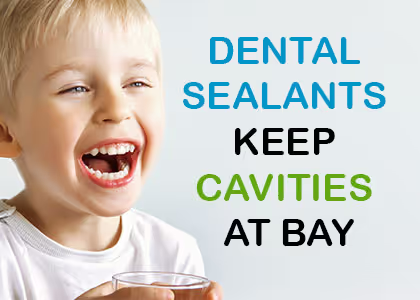
Dental Sealants Keep Cavities at Bay
Dental sealants are a proactive tool in preventing cavities in children. Here's how they work and who should get them.
August 27, 2020
Questions to Ask at a Back-to-School Dental Visit
Right before school starts is a good time to schedule your child's regular checkup. Here's what to ask at the appointment.
August 13, 2020
This Film Can Wreak Havoc on Your Child's Smile
We're not talking about a movie, but a hardened substance on your child's teeth called tartar or calculus. Plaque + Time = Tartar.
July 27, 2020
Counting Sheep: Sedation Dentistry for Kids
Sedation dentistry has steadily gained popularity due to its effectiveness in reducing anxiety during dental treatments. Is it safe for kids?
July 13, 2020
Help! My Child is Terrified of the Dentist
Here's how to help a child who is afraid of the dentist have a more positive dental experience.
June 27, 2020
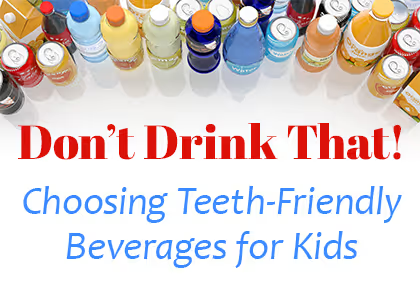
Don't Drink That! Choosing Teeth-Friendly Beverages for Kids
Studies found that 43% of children ages two and up had cavities. The beverages kids drink play a role. Here's how to choose teeth-friendly drinks.
June 13, 2020
Smile Safari: An Introduction to Animal Teeth
Explore the fascinating world of animal dental anatomy with your kids. You might be surprised what you find!
May 27, 2020
Can Children Have Gum Disease?
The smallest smiles in your family are as vulnerable to oral health issues as you are. Young ones need help with oral hygiene for years.
May 13, 2020
Oral Hygiene for Families on the Go
Today's families seem to be busier than ever. Here are ideas to make consistent oral hygiene more convenient for busy families.