Is Sedation Dentistry Right for You?
About 30-40 million people a year avoid the dentist due to feelings of anxiety and fear. Fear of going to the dentist is common and thankfully being talked about more and more in the dental world. Many dentists go to great lengths to help patients feel comfortable. They will offer spa-like amenities like warm towels, headphones, soothing music and aromatherapy.However, the comforts don’t always do the trick.Some patients need a little more help to feel comfortable.Enter sedation dentistry.Sedation dentistry can be an excellent tool to help patients that have anxiety or fear when going to the dentist. 3 Types of Sedation Dentistry There are three main levels of sedation used in dentistry each with their own delivery method.Inhalation, oral and intravenous.Sedation dentistry is where the patient will feel a level of relaxation but still be awake for the procedure. It is not going under general anesthesia. Most patients like that they stay awake, but feel calm and often, barely remember the appointment. You should take certain precautions if you will be sedated during your dental appointment. Arrange for a friend or family member to help drive you home. Inhalation Sedation: Nitrous Oxide Nitrous oxide, commonly known as laughing gas, is an easily administered type of sedative. Many people who are nervous about going to the dentist can ask for nitrous and have an easier experience during their cleaning or procedure. We administer nitrous oxide through a mask and the nitrous gas is mixed with oxygen. The patient takes a few deep breaths and then feels giggly and relaxed. The patient will stay awake during the dental procedure but will feel a sense of relaxation.TheNitrous is eliminated from the body quickly and so the patient is usually fine to drive themselves home after treatment.Nitrous is common during pediatric appointments. Oral sedationOral sedation is where the patient takes a pill, orally an hour before their appointment. Typically, the dentist will prescribe a sedative in the Benzodiazepine family.Medications likeTriazolam are common for dental procedures. When under oral sedation, the patient is still awake, and can follow common commands, but may not remember much about the procedure. If you are under oral sedation, you will want to plan for someone to drive you home. Intravenous sedation IV sedation is where you receive the sedative through a vein instead of orally. This allows the sedative to work quickly, and the dentist can adjust the level of sedation during the procedure. You may feel more deeply sedated than with oral sedation, but you will not ‘go under’ like general anesthesia. Not all dentists are trained in IV sedation, so if you are looking for that option, be sure to ask. Sedation can help any nervous or anxious dental patient experience less stress during their dental appointment. If you fall anywhere on the spectrum from nervous to phobic, your dentist can help you determine which sedation option is best for you. If you have further questions or want to read more about sedation dentistry, look at the resources here: The Academy of Medical and Dental Sedation or call us and schedule a consultation . The content of this blog is not intended to be a substitute for professional medical advice, diagnosis, or treatment. Always seek the advice of qualified health providers with questions you may have regarding medical conditions.
Share this post
Explore more blogs

October 27, 2022
5 Easy-to-Make Halloween Snacks for Healthy Teeth
Halloween means class parties, trick or treating, and an all-around day full of sugar. There are plenty of healthy and fun ways to celebrate.
October 13, 2022
Pediatric Oral Health FAQ
The Explorer Kids Dental team knows parenting is equal parts rewarding and exhausting. Here are answers to frequently asked questions about pediatric oral health.
September 27, 2022
Does My Child Need a Dental Crown?
Baby teeth are important because they save space for adult teeth and help kids learn to speak, bite, and chew. Sometimes dental crowns are needed.
September 13, 2022
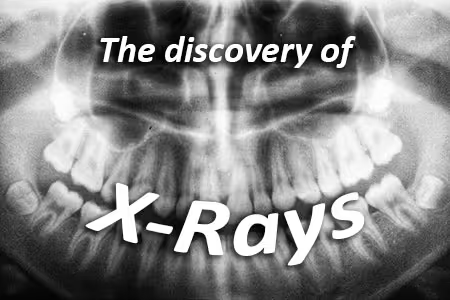
The Discovery of X-Rays
X-rays are now so frequently used we take them for granted. Here's the fascinating story of their discovery and use in dentistry.
August 27, 2022
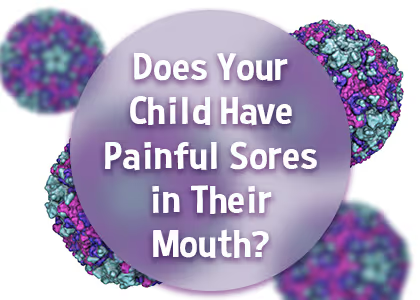
Does Your Child Have Painful Sores in Their Mouth? This Virus Could be the Cause
Have you heard of Hand, Foot, and Mouth Disease? Despite being a relatively common virus, it's one that makes a lot of parents confused.

August 13, 2022
Benzocaine is Not Safe for Teething!
Benzocaine has been an over-the-counter local dental anesthetic for many years but its use has been linked to a rare but serious condition.
July 27, 2022
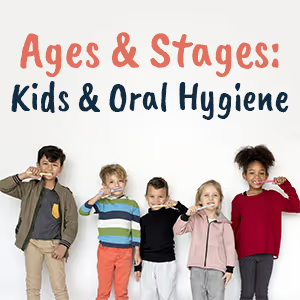
Ages & Stages: Kids & Oral Hygiene
At-home oral hygiene routines are the most effective tool but tricky with pediatric patients. Here's what to do at each age.
July 13, 2022
Does Your Child or Teen Experience Chronic Headaches? Chewing Gum Might be to Blame
There are a lot of myths about chewing gum. Explorer Kids Dental wants to clear up whether chewing gum can cause chronic headaches in kids and teens.
June 27, 2022
Lidocaine is Not for Kids
The FDA issued a warning that oral viscous lidocaine should not be used to treat teething pain in infants and young children.
June 13, 2022
A Dental First Aid Kit for Kids
With active kids who run, play, and climb, emergency dental injuries can happen. Here's what to include in a dental first aid kit.
May 27, 2022
This Tool Can Help Your Child Floss Like a Boss!
Getting string in between a child's teeth is a challenge. Explorer Kids Dental shares a helpful flossing tool for kids.