
Is Sedation Dentistry Right for You?
About 30-40 million people a year avoid the dentist due to feelings of anxiety and fear. Fear of going to the dentist is common and thankfully being talked about more and more in the dental world. Many dentists go to great lengths to help patients feel comfortable. They will offer spa-like amenities like warm towels, headphones, soothing music and aromatherapy.However, the comforts don’t always do the trick.Some patients need a little more help to feel comfortable.Enter sedation dentistry.Sedation dentistry can be an excellent tool to help patients that have anxiety or fear when going to the dentist. 3 Types of Sedation Dentistry There are three main levels of sedation used in dentistry each with their own delivery method.Inhalation, oral and intravenous.Sedation dentistry is where the patient will feel a level of relaxation but still be awake for the procedure. It is not going under general anesthesia. Most patients like that they stay awake, but feel calm and often, barely remember the appointment. You should take certain precautions if you will be sedated during your dental appointment. Arrange for a friend or family member to help drive you home. Inhalation Sedation: Nitrous Oxide Nitrous oxide, commonly known as laughing gas, is an easily administered type of sedative. Many people who are nervous about going to the dentist can ask for nitrous and have an easier experience during their cleaning or procedure. We administer nitrous oxide through a mask and the nitrous gas is mixed with oxygen. The patient takes a few deep breaths and then feels giggly and relaxed. The patient will stay awake during the dental procedure but will feel a sense of relaxation.TheNitrous is eliminated from the body quickly and so the patient is usually fine to drive themselves home after treatment.Nitrous is common during pediatric appointments. Oral sedationOral sedation is where the patient takes a pill, orally an hour before their appointment. Typically, the dentist will prescribe a sedative in the Benzodiazepine family.Medications likeTriazolam are common for dental procedures. When under oral sedation, the patient is still awake, and can follow common commands, but may not remember much about the procedure. If you are under oral sedation, you will want to plan for someone to drive you home. Intravenous sedation IV sedation is where you receive the sedative through a vein instead of orally. This allows the sedative to work quickly, and the dentist can adjust the level of sedation during the procedure. You may feel more deeply sedated than with oral sedation, but you will not ‘go under’ like general anesthesia. Not all dentists are trained in IV sedation, so if you are looking for that option, be sure to ask. Sedation can help any nervous or anxious dental patient experience less stress during their dental appointment. If you fall anywhere on the spectrum from nervous to phobic, your dentist can help you determine which sedation option is best for you. If you have further questions or want to read more about sedation dentistry, look at the resources here: The Academy of Medical and Dental Sedation or call us and schedule a consultation . The content of this blog is not intended to be a substitute for professional medical advice, diagnosis, or treatment. Always seek the advice of qualified health providers with questions you may have regarding medical conditions.
Share this post
Explore more blogs
April 27, 2022
Can My Child's Asthma Affect Their Dental Health?
More than 26 million Americans have asthma, and it's the leading chronic disease in children. Here's how asthma might affect your child's oral health.
April 13, 2022
Could the HPV Vaccine Decrease My Child's Risk of Oral Cancer?
At Explorer Kids Dental, we may broach sensitive subjects around the ages of 11 and 12, when doctors might recommend the HPV vaccine.
March 27, 2022
What's the Right Amount of Fluoride for Your Child's Teeth?
We know you want your child to love their smile, which is why we're always happy to inform you about the right amount of fluoride.
March 13, 2022
Kids, Candy & Dental Health
Holidays bring extra candy along with them. The bacteria in your child's mouth are always ready to start producing acid that contributes to cavities.
February 27, 2022
Special Needs Dentistry: Everyone Deserves a Healthy Smile!
Everyone deserves quality dental care. Here's how Explorer Kids Dental serves patients with special needs.

February 13, 2022
Questions to Ask Before Special Needs Kids See the Dentist
Sometimes special needs kids have higher anxiety in new situations like visiting the dentist. Here are questions to ask to prepare for a successful visit.
January 27, 2022
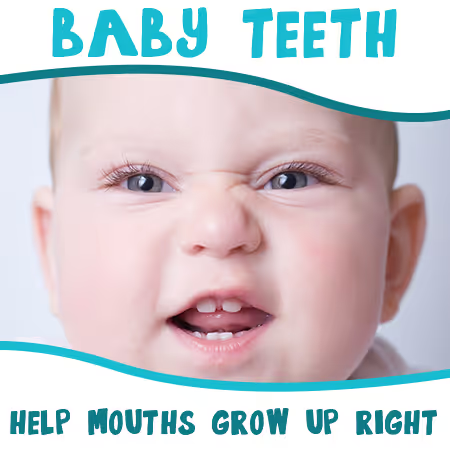
How Baby Teeth Help Mouths Grow Up Right
Baby teeth play a crucial role in oral development. Here's why they matter more than you might think.
January 13, 2022
TruDenta® – Truly Life-Changing Dentistry
TruDenta is a drug-free dental pain management system proven to help provide relief from chronic headaches, tinnitus, vertigo, and TMJ dysfunction.

December 27, 2021
Baby Bottles & Water: It's Complicated
Water is the healthiest beverage for kids and adults, but in babies less than six months of age, water is a no-no.

December 13, 2021
Does Your Child Suffer from Bruxism?
Bruxism is the dental term for teeth grinding and jaw clenching, a habit that children and adults can develop, often without being conscious of it.

November 27, 2021
Life Hacks: One Simple Way to Protect Your Child's Smile
Sports-related injuries are the leading cause of emergency room visits for children and teenagers ages 12-17. A simple mouth guard can protect their smile.