Is Sedation Dentistry Right for You?
About 30-40 million people a year avoid the dentist due to feelings of anxiety and fear. Fear of going to the dentist is common and thankfully being talked about more and more in the dental world. Many dentists go to great lengths to help patients feel comfortable. They will offer spa-like amenities like warm towels, headphones, soothing music and aromatherapy.However, the comforts don’t always do the trick.Some patients need a little more help to feel comfortable.Enter sedation dentistry.Sedation dentistry can be an excellent tool to help patients that have anxiety or fear when going to the dentist. 3 Types of Sedation Dentistry There are three main levels of sedation used in dentistry each with their own delivery method.Inhalation, oral and intravenous.Sedation dentistry is where the patient will feel a level of relaxation but still be awake for the procedure. It is not going under general anesthesia. Most patients like that they stay awake, but feel calm and often, barely remember the appointment. You should take certain precautions if you will be sedated during your dental appointment. Arrange for a friend or family member to help drive you home. Inhalation Sedation: Nitrous Oxide Nitrous oxide, commonly known as laughing gas, is an easily administered type of sedative. Many people who are nervous about going to the dentist can ask for nitrous and have an easier experience during their cleaning or procedure. We administer nitrous oxide through a mask and the nitrous gas is mixed with oxygen. The patient takes a few deep breaths and then feels giggly and relaxed. The patient will stay awake during the dental procedure but will feel a sense of relaxation.TheNitrous is eliminated from the body quickly and so the patient is usually fine to drive themselves home after treatment.Nitrous is common during pediatric appointments. Oral sedationOral sedation is where the patient takes a pill, orally an hour before their appointment. Typically, the dentist will prescribe a sedative in the Benzodiazepine family.Medications likeTriazolam are common for dental procedures. When under oral sedation, the patient is still awake, and can follow common commands, but may not remember much about the procedure. If you are under oral sedation, you will want to plan for someone to drive you home. Intravenous sedation IV sedation is where you receive the sedative through a vein instead of orally. This allows the sedative to work quickly, and the dentist can adjust the level of sedation during the procedure. You may feel more deeply sedated than with oral sedation, but you will not ‘go under’ like general anesthesia. Not all dentists are trained in IV sedation, so if you are looking for that option, be sure to ask. Sedation can help any nervous or anxious dental patient experience less stress during their dental appointment. If you fall anywhere on the spectrum from nervous to phobic, your dentist can help you determine which sedation option is best for you. If you have further questions or want to read more about sedation dentistry, look at the resources here: The Academy of Medical and Dental Sedation or call us and schedule a consultation . The content of this blog is not intended to be a substitute for professional medical advice, diagnosis, or treatment. Always seek the advice of qualified health providers with questions you may have regarding medical conditions.
Share this post
Explore more blogs
October 27, 2021
Strategies for Teasing: Helping Kids Feel Better About Their Smile
Studies show the number one reason kids are bullied for their appearance is the way their teeth look. Here are strategies to help.
September 27, 2021
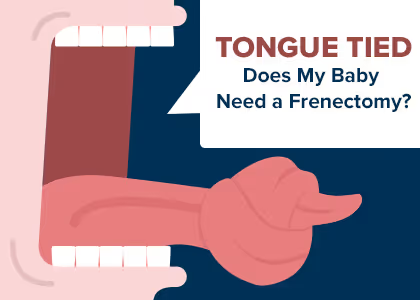
Tongue Tied: Does My Baby Need a Frenectomy?
A frenum is a small fold of muscular tissue in the mouth. Sometimes a frenectomy is needed when it restricts movement.
September 13, 2021
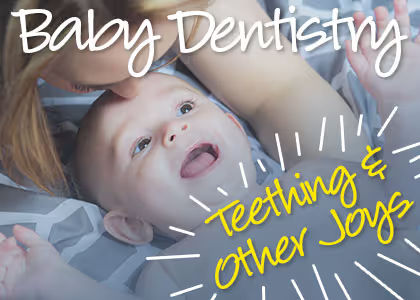
Baby Dentistry: Teething & Other Joys
Your baby's oral health is very important both now and for a lifetime of health. Here's what to know about teething and baby dental care.
August 27, 2021
Is Your Little One Getting Enough Calcium?
Calcium is vital for healthy teeth. Here's how to make sure your little one gets enough in their diet.
August 13, 2021
Is Fluoride Safe for Kids?
We want to address questions and concerns about fluoride safety for kids. Here's what the science says.

July 27, 2021
Teens & Tobacco: Know the Risks
There is no such thing as a safe tobacco product. Every tobacco product contains nicotine — and not only is nicotine addictive, but it can harm the brain.
July 16, 2021
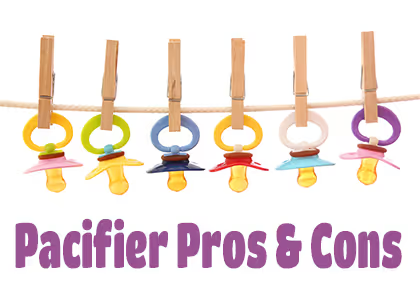
Pacifier Pros & Cons
To binky or not to binky? Pacifier use for infants has been a subject of debate as long as they've been around.
June 27, 2021
Teens & Prescription Opioid Use
Addiction to prescription opioids often begins with an innocent prescription. Here's what parents should know about teens and opioids.

June 13, 2021
Is Thumb Sucking Dangerous?
Thumb sucking is normal behavior for babies and young children. More than 75% of little ones suck their thumbs or fingers during early years.
May 27, 2021
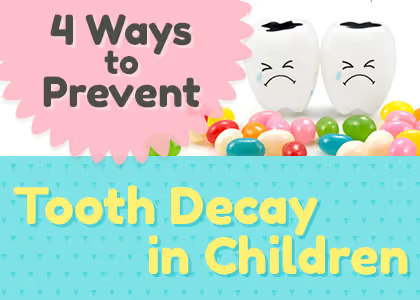
4 Ways to Prevent Tooth Decay in Children
Preventing tooth decay in kids is never an easy feat. Here are 4 effective ways to protect your child's teeth from decay.
May 13, 2021
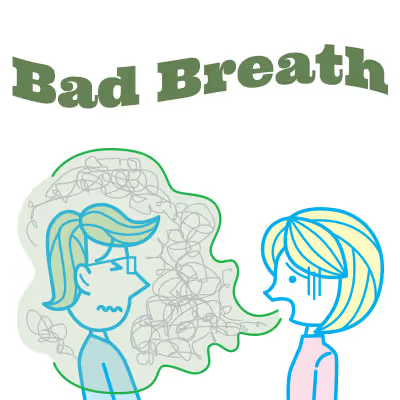
Bad Breath: When Morning Breath Becomes Halitosis
Bad breath, formally known as halitosis, is embarrassing and can hold you back from truly enjoying your life and social situations.