
Is Thumb Sucking Dangerous?
Thumb sucking is normal behavior for babies and young children. But just how normal? More than 75% of little ones suck their thumbs, fingers, hands, pacifiers, or other items such as the corner of a blanket during these early years. Most kids stop this behavior on their own between the ages of three and six. But how long is too long, and can it be problematic? Explorer Kids Dental would like to share more information about this common childhood habit.Why Do Babies Suck Their Thumbs?Human babies come into the world hungry, and with hunger in mammals comes an instinct to suck. This urge usually becomes less intense naturally, beginning to taper off when babies reach about six months of age. However, many babies take a liking to the practice, continuing to suck their thumbs to self-soothe when hungry, anxious, sick, bored, tired, or just trying to adjust to changes in their environment. Thumb sucking may also help them fall asleep or lull themselves back to sleep. Since it is an age-appropriate way for kids to calm and comfort themselves, many experts recommend ignoring thumb sucking with children who are preschool age or younger. They should stop in their own time when they’re ready. Can Thumb Sucking Cause Any Lasting Problems? The American Dental Association says most kids can suck their thumbs safely without damaging teeth and jaw alignment until permanent teeth start to appear around age six. It should be noted that all thumb sucking is not created equal – kids passively resting their thumbs in their mouths are less likely to have dental problems than children who are vigorous thumb suckers. However, prolonged or intense thumb sucking can alter tooth and jaw alignment, so the longer the habit continues, the more likely that orthodontics will become necessary in the future – but if the child is able to kick the thumb habit between four and six, alignment issues may resolve themselves. If your child is an aggressive thumb-sucker, consider starting to work with them to kick the habit around age four. If you notice changes in your child’s mouth or teeth, consult Drs. Jeff & Candy McComb, and if you observe evidence of speech problems, consider a consultation with your child’s pediatrician as well. How Can I Help My Child Stop Sucking Their Thumb? A child should never be punished for thumb sucking. After all, it’s a habit formed from a human instinct they were born with – and shaming only hurts their self-esteem. Children usually give up thumb sucking when they find other ways to calm themselves. (For example, if a child tends to suck their thumb when hungry, eventually they will learn to ask for a snack or look in the fridge instead.) Limit the times and places the child can suck their thumbs, such as only at naptime and bedtime. Try distraction with a substitute activity, like a fidget spinner, stress ball, or finger puppets. If your child turns to the thumb when frustrated, try to help them “use their words” to talk about how they are feeling instead. Put stickers on a chart or calendar for positive reinforcement, and give lots of hugs and praise. After an agreed-upon goal is reached, celebrate the victory so their good behavior is encouraged. It can be a frustrating process, but most kids do stop on their own if given the opportunity – and once they are in school, peer pressure can work wonders.When Should I Be Worried About Thumb Sucking?Watch out for several specific symptoms in your child that may be cause for concern: Changes in teeth or bite alignment Problems with speech Callused, chapped, or red thumbs Over 5 years old with no sign of stopping the behavior Thumb sucking can also be a symptom of anxiety and other emotional or developmental problems in kids five and older. If this seems to apply to your child and the at-home methods are just not taking root, treatment options ranging from speech therapy to behavioral therapy to devices that are attached to the thumb or the mouth do exist and have been shown to help. If you have any questions or concerns about thumb sucking, don’t hesitate to contact Drs.Jeff & Candy McComb for an appointment today!The content of this blog is not intended to be a substitute for professional medical advice, diagnosis, or treatment. Always seek the advice of qualified health providers with questions you may have regarding medical conditions.
Share this post
Explore more blogs

October 13, 2020
Why Do We Have Baby Teeth?
Baby teeth, also called deciduous, primary, milk, or lacteal teeth, have many different purposes. Here's why they matter.

September 27, 2020
Science Rules: Fun Crafts & Oral Health Experiments for Kids
Here are fun crafts and oral health science experiments you can do at home to teach kids about dental care.
September 13, 2020
Dental Sealants Keep Cavities at Bay
Dental sealants are a proactive tool in preventing cavities in children. Here's how they work and who should get them.
August 27, 2020
Questions to Ask at a Back-to-School Dental Visit
Right before school starts is a good time to schedule your child's regular checkup. Here's what to ask at the appointment.
August 13, 2020
This Film Can Wreak Havoc on Your Child's Smile
We're not talking about a movie, but a hardened substance on your child's teeth called tartar or calculus. Plaque + Time = Tartar.
July 27, 2020
Counting Sheep: Sedation Dentistry for Kids
Sedation dentistry has steadily gained popularity due to its effectiveness in reducing anxiety during dental treatments. Is it safe for kids?
July 13, 2020
Help! My Child is Terrified of the Dentist
Here's how to help a child who is afraid of the dentist have a more positive dental experience.
June 27, 2020
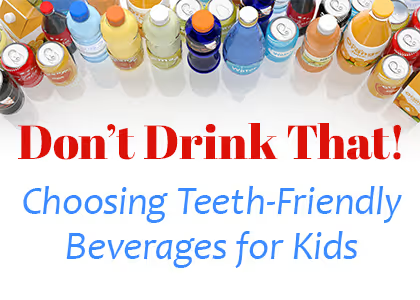
Don't Drink That! Choosing Teeth-Friendly Beverages for Kids
Studies found that 43% of children ages two and up had cavities. The beverages kids drink play a role. Here's how to choose teeth-friendly drinks.
June 13, 2020
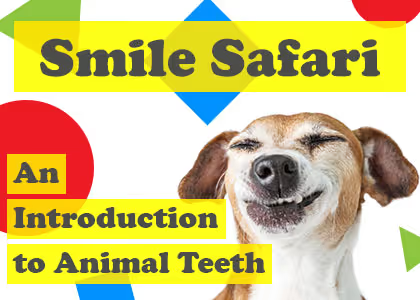
Smile Safari: An Introduction to Animal Teeth
Explore the fascinating world of animal dental anatomy with your kids. You might be surprised what you find!
May 27, 2020
Can Children Have Gum Disease?
The smallest smiles in your family are as vulnerable to oral health issues as you are. Young ones need help with oral hygiene for years.
May 13, 2020
Oral Hygiene for Families on the Go
Today's families seem to be busier than ever. Here are ideas to make consistent oral hygiene more convenient for busy families.