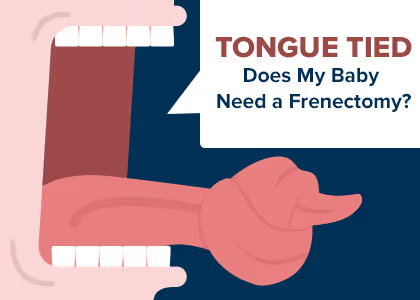
Tongue Tied: Does My Baby Need a Frenectomy?
But first, what’s a frenum? Or is it frenulum? The short answer is, they’re one and the same—a small fold of muscular tissue that prevents an organ in the body from moving too far. There are several in the body, but the two we’ll be discussing today are located in the mouth—labial frenum and lingual frenum.Labial FrenumThe labial frenum connects the inside of the upper lip to the gums between the two upper front teeth. Everyone has one, but sometimes it can be malformed—too short, too long, too rigid—and cause a host of problems for children. Sometimes the labial frenum can create a large gap between the two front teeth, and cause gum recession as the frenum pulls the gums away from the teeth. If the labial frenum is too tight, sometimes it can create an open-mouth position that inhibits the mouth from properly sealing, which can cause mouth breathing and improper development of the airway and jaw.Lingual FrenumThe lingual frenum connects the lower floor of the mouth to the tongue. Most of us can move our tongues around freely for easy speaking and eating, but if the lingual frenum is too tight or too short, it can inhibit the movement of the tongue. This is a condition commonly known as “tongue-tie.” Tongue-Tie Hearing your baby babble their first words and learn to speak is one of the greatest joys of parenting. Tongue-tie (ankyloglossia) can prevent babies and children from being able to breastfeed, eat, and speak properly. Tongue-tie can inhibit proper jaw development, cause long-term orthodontic problems, and sometimes lead to sleep apnea. When the tongue is unable to press against the upper palate during swallowing, it will begin to press against or between the front teeth instead which can affect the development of a proper bite. Tongue-tie is also one of the most common culprits of speech impediments including lisp.FrenectomyWhether our concern is the labial or lingual frenum, the procedure is generally the same. Frenectomy involves snipping or removing the frenum to allow for a greater range of motion of the lips or tongue. First, we will use a local anesthetic to numb the area and ensure your little one doesn’t feel a thing. Left untreated, problems with the frenum can cause a domino effect of consequences for the oral health, aesthetics, development, and function of your child’s smile. If you’ve noticed any of the signs and symptoms discussed above including painful breastfeeding or gapped front teeth, you may want to consider coming in to see Drs. Jeff & Candy McComb for an exam. We can tell you if this tiny bit of tissue is the source of the problem and provide a solution that gives your little one the freedom to grow up happy and healthy. Contact your Roseville dentist at Explorer Kids Dental today to
Share this post
Explore more blogs

October 27, 2022
5 Easy-to-Make Halloween Snacks for Healthy Teeth
Halloween means class parties, trick or treating, and an all-around day full of sugar. There are plenty of healthy and fun ways to celebrate.
October 13, 2022
Pediatric Oral Health FAQ
The Explorer Kids Dental team knows parenting is equal parts rewarding and exhausting. Here are answers to frequently asked questions about pediatric oral health.
September 27, 2022
Does My Child Need a Dental Crown?
Baby teeth are important because they save space for adult teeth and help kids learn to speak, bite, and chew. Sometimes dental crowns are needed.
September 13, 2022
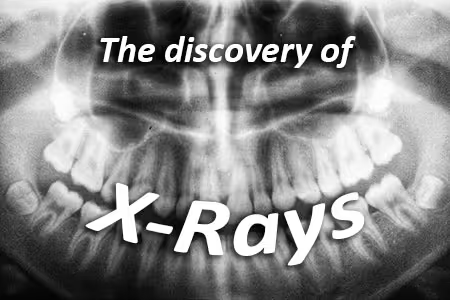
The Discovery of X-Rays
X-rays are now so frequently used we take them for granted. Here's the fascinating story of their discovery and use in dentistry.
August 27, 2022
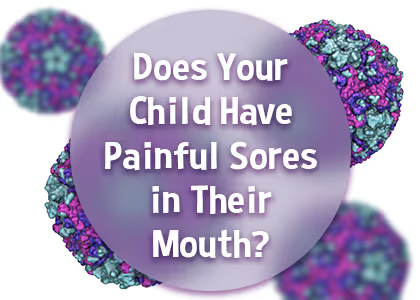
Does Your Child Have Painful Sores in Their Mouth? This Virus Could be the Cause
Have you heard of Hand, Foot, and Mouth Disease? Despite being a relatively common virus, it's one that makes a lot of parents confused.

August 13, 2022
Benzocaine is Not Safe for Teething!
Benzocaine has been an over-the-counter local dental anesthetic for many years but its use has been linked to a rare but serious condition.

July 27, 2022
Ages & Stages: Kids & Oral Hygiene
At-home oral hygiene routines are the most effective tool but tricky with pediatric patients. Here's what to do at each age.

July 13, 2022
Does Your Child or Teen Experience Chronic Headaches? Chewing Gum Might be to Blame
There are a lot of myths about chewing gum. Explorer Kids Dental wants to clear up whether chewing gum can cause chronic headaches in kids and teens.
June 27, 2022
Lidocaine is Not for Kids
The FDA issued a warning that oral viscous lidocaine should not be used to treat teething pain in infants and young children.
June 13, 2022
A Dental First Aid Kit for Kids
With active kids who run, play, and climb, emergency dental injuries can happen. Here's what to include in a dental first aid kit.
May 27, 2022
This Tool Can Help Your Child Floss Like a Boss!
Getting string in between a child's teeth is a challenge. Explorer Kids Dental shares a helpful flossing tool for kids.