
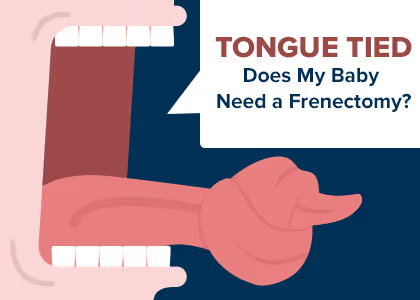
Tongue Tied: Does My Baby Need a Frenectomy?
But first, what’s a frenum? Or is it frenulum? The short answer is, they’re one and the same—a small fold of muscular tissue that prevents an organ in the body from moving too far. There are several in the body, but the two we’ll be discussing today are located in the mouth—labial frenum and lingual frenum.Labial FrenumThe labial frenum connects the inside of the upper lip to the gums between the two upper front teeth. Everyone has one, but sometimes it can be malformed—too short, too long, too rigid—and cause a host of problems for children. Sometimes the labial frenum can create a large gap between the two front teeth, and cause gum recession as the frenum pulls the gums away from the teeth. If the labial frenum is too tight, sometimes it can create an open-mouth position that inhibits the mouth from properly sealing, which can cause mouth breathing and improper development of the airway and jaw.Lingual FrenumThe lingual frenum connects the lower floor of the mouth to the tongue. Most of us can move our tongues around freely for easy speaking and eating, but if the lingual frenum is too tight or too short, it can inhibit the movement of the tongue. This is a condition commonly known as “tongue-tie.” Tongue-Tie Hearing your baby babble their first words and learn to speak is one of the greatest joys of parenting. Tongue-tie (ankyloglossia) can prevent babies and children from being able to breastfeed, eat, and speak properly. Tongue-tie can inhibit proper jaw development, cause long-term orthodontic problems, and sometimes lead to sleep apnea. When the tongue is unable to press against the upper palate during swallowing, it will begin to press against or between the front teeth instead which can affect the development of a proper bite. Tongue-tie is also one of the most common culprits of speech impediments including lisp.FrenectomyWhether our concern is the labial or lingual frenum, the procedure is generally the same. Frenectomy involves snipping or removing the frenum to allow for a greater range of motion of the lips or tongue. First, we will use a local anesthetic to numb the area and ensure your little one doesn’t feel a thing. Left untreated, problems with the frenum can cause a domino effect of consequences for the oral health, aesthetics, development, and function of your child’s smile. If you’ve noticed any of the signs and symptoms discussed above including painful breastfeeding or gapped front teeth, you may want to consider coming in to see Drs. Jeff & Candy McComb for an exam. We can tell you if this tiny bit of tissue is the source of the problem and provide a solution that gives your little one the freedom to grow up happy and healthy. Contact your Roseville dentist at Explorer Kids Dental today to
Share this post
Explore more blogs

April 27, 2022
Can My Child's Asthma Affect Their Dental Health?
More than 26 million Americans have asthma, and it's the leading chronic disease in children. Here's how asthma might affect your child's oral health.
April 13, 2022
Could the HPV Vaccine Decrease My Child's Risk of Oral Cancer?
At Explorer Kids Dental, we may broach sensitive subjects around the ages of 11 and 12, when doctors might recommend the HPV vaccine.
March 27, 2022
What's the Right Amount of Fluoride for Your Child's Teeth?
We know you want your child to love their smile, which is why we're always happy to inform you about the right amount of fluoride.

March 13, 2022
Kids, Candy & Dental Health
Holidays bring extra candy along with them. The bacteria in your child's mouth are always ready to start producing acid that contributes to cavities.
February 27, 2022
Special Needs Dentistry: Everyone Deserves a Healthy Smile!
Everyone deserves quality dental care. Here's how Explorer Kids Dental serves patients with special needs.

February 13, 2022
Questions to Ask Before Special Needs Kids See the Dentist
Sometimes special needs kids have higher anxiety in new situations like visiting the dentist. Here are questions to ask to prepare for a successful visit.
January 27, 2022
How Baby Teeth Help Mouths Grow Up Right
Baby teeth play a crucial role in oral development. Here's why they matter more than you might think.

January 13, 2022
TruDenta® – Truly Life-Changing Dentistry
TruDenta is a drug-free dental pain management system proven to help provide relief from chronic headaches, tinnitus, vertigo, and TMJ dysfunction.

December 27, 2021
Baby Bottles & Water: It's Complicated
Water is the healthiest beverage for kids and adults, but in babies less than six months of age, water is a no-no.

December 13, 2021
Does Your Child Suffer from Bruxism?
Bruxism is the dental term for teeth grinding and jaw clenching, a habit that children and adults can develop, often without being conscious of it.

November 27, 2021
Life Hacks: One Simple Way to Protect Your Child's Smile
Sports-related injuries are the leading cause of emergency room visits for children and teenagers ages 12-17. A simple mouth guard can protect their smile.