Xylitol: Is it Safe for Kids?
What is Xylitol? Xylitol is a naturally-occurring substance found in the birch tree and in many fruits and vegetables. Its chemical structure resembles a cross between sugar and alcohol—but it is neither. Xylitol is used as an FDA-approved artificial sweetener that can also assist in the prevention of tooth decay, so Drs. Jeff and Candy McComb would like to share some information about xylitol’s safety for children.How is Xylitol Used?Because bacteria in the mouth cannot use xylitol as an energy source, oral care products like toothpaste and mouthwash often contain xylitol to help alleviate dry mouth symptoms and prevent tooth decay . When extracted from birch wood, xylitol can be used as an active ingredient in other medicines as well. Its capability to eliminate or reduce the effects of bad bacteria extends to those that cause ear infections in young children.How Does Xylitol Work?Xylitol tastes sweet like sugar but contains fewer calories and is absorbed more slowly by the body, reducing the likelihood of dramatic blood sugar spikes. These characteristics make xylitol an ideal sugar substitute for diabetics. Unlike other artificial sweeteners and sucrose (actual sugar), xylitol reduces the bacteria that cause tooth decay in the saliva.Is Xylitol Safe for Children?The unaltered natural xylitol present in fruit and vegetables should be safe for kids, barring allergies or a major produce binge. Cavity prevention medicines containing xylitol used in pediatric dentistry typically range from 7 to 15 grams per day (divided into three to five doses). More than 20 total grams of xylitol per day is not recommended for children. Like other artificial sweeteners, exceeding the recommended intake of xylitol can cause pronounced physical discomfort, including diarrhea and intestinal gas. Because children’s medicines containing xylitol may taste as good as regular candy, parents need to be careful that kids don’t eat more than the recommended amount! Non-Medical Products that May Contain Xylitol If you buy sugar-free items a lot, it’s good to be aware of which items in your kitchen, fridge, or pantry may contain xylitol: Packaged goods (ice cream, yogurt, gelatin, pudding) Packaged mixes (pudding, gelatin, baking mixes) Flavored bottled water Powdered drink mixes Candies, chewing gum , and mints (keep an eye on your purse!) Jams and jellies Syrup and honey Protein bars and powders Peanut and other nut butters Vitamins and supplements (especially gummies) Liquid shots for energy, sleep, etc.Keep the Xylitol Away from Your PetsXylitol in any amount can be toxic to dogs and cats. If you have reason to believe your pet has swallowed anything containing xylitol—especially if it also contains chocolate—take them to the vet immediately. Xylitol in the proper doses can be very useful and safe to promote better oral health for both adults and kids. If you have any questions about xylitol, its uses and its safety, contact us at Explorer Kids Dental today! The content of this blog is not intended to be a substitute for professional medical advice, diagnosis, or treatment. Always seek the advice of qualified health providers with questions you may have regarding medical conditions.
Share this post
Explore more blogs
October 27, 2022
5 Easy-to-Make Halloween Snacks for Healthy Teeth
Halloween means class parties, trick or treating, and an all-around day full of sugar. There are plenty of healthy and fun ways to celebrate.
October 13, 2022
Pediatric Oral Health FAQ
The Explorer Kids Dental team knows parenting is equal parts rewarding and exhausting. Here are answers to frequently asked questions about pediatric oral health.
September 27, 2022
Does My Child Need a Dental Crown?
Baby teeth are important because they save space for adult teeth and help kids learn to speak, bite, and chew. Sometimes dental crowns are needed.
September 13, 2022
The Discovery of X-Rays
X-rays are now so frequently used we take them for granted. Here's the fascinating story of their discovery and use in dentistry.
August 27, 2022
Does Your Child Have Painful Sores in Their Mouth? This Virus Could be the Cause
Have you heard of Hand, Foot, and Mouth Disease? Despite being a relatively common virus, it's one that makes a lot of parents confused.
August 13, 2022
Benzocaine is Not Safe for Teething!
Benzocaine has been an over-the-counter local dental anesthetic for many years but its use has been linked to a rare but serious condition.
July 27, 2022
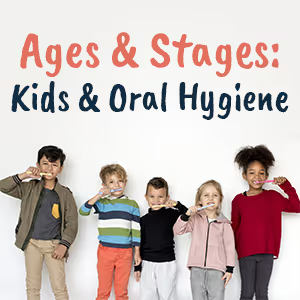
Ages & Stages: Kids & Oral Hygiene
At-home oral hygiene routines are the most effective tool but tricky with pediatric patients. Here's what to do at each age.
July 13, 2022
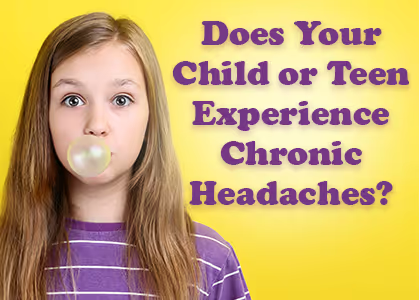
Does Your Child or Teen Experience Chronic Headaches? Chewing Gum Might be to Blame
There are a lot of myths about chewing gum. Explorer Kids Dental wants to clear up whether chewing gum can cause chronic headaches in kids and teens.
June 27, 2022
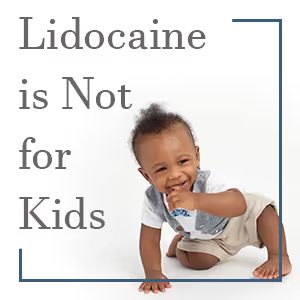
Lidocaine is Not for Kids
The FDA issued a warning that oral viscous lidocaine should not be used to treat teething pain in infants and young children.
June 13, 2022
A Dental First Aid Kit for Kids
With active kids who run, play, and climb, emergency dental injuries can happen. Here's what to include in a dental first aid kit.
May 27, 2022
This Tool Can Help Your Child Floss Like a Boss!
Getting string in between a child's teeth is a challenge. Explorer Kids Dental shares a helpful flossing tool for kids.