
Xylitol: Is it Safe for Kids?
What is Xylitol? Xylitol is a naturally-occurring substance found in the birch tree and in many fruits and vegetables. Its chemical structure resembles a cross between sugar and alcohol—but it is neither. Xylitol is used as an FDA-approved artificial sweetener that can also assist in the prevention of tooth decay, so Drs. Jeff and Candy McComb would like to share some information about xylitol’s safety for children.How is Xylitol Used?Because bacteria in the mouth cannot use xylitol as an energy source, oral care products like toothpaste and mouthwash often contain xylitol to help alleviate dry mouth symptoms and prevent tooth decay . When extracted from birch wood, xylitol can be used as an active ingredient in other medicines as well. Its capability to eliminate or reduce the effects of bad bacteria extends to those that cause ear infections in young children.How Does Xylitol Work?Xylitol tastes sweet like sugar but contains fewer calories and is absorbed more slowly by the body, reducing the likelihood of dramatic blood sugar spikes. These characteristics make xylitol an ideal sugar substitute for diabetics. Unlike other artificial sweeteners and sucrose (actual sugar), xylitol reduces the bacteria that cause tooth decay in the saliva.Is Xylitol Safe for Children?The unaltered natural xylitol present in fruit and vegetables should be safe for kids, barring allergies or a major produce binge. Cavity prevention medicines containing xylitol used in pediatric dentistry typically range from 7 to 15 grams per day (divided into three to five doses). More than 20 total grams of xylitol per day is not recommended for children. Like other artificial sweeteners, exceeding the recommended intake of xylitol can cause pronounced physical discomfort, including diarrhea and intestinal gas. Because children’s medicines containing xylitol may taste as good as regular candy, parents need to be careful that kids don’t eat more than the recommended amount! Non-Medical Products that May Contain Xylitol If you buy sugar-free items a lot, it’s good to be aware of which items in your kitchen, fridge, or pantry may contain xylitol: Packaged goods (ice cream, yogurt, gelatin, pudding) Packaged mixes (pudding, gelatin, baking mixes) Flavored bottled water Powdered drink mixes Candies, chewing gum , and mints (keep an eye on your purse!) Jams and jellies Syrup and honey Protein bars and powders Peanut and other nut butters Vitamins and supplements (especially gummies) Liquid shots for energy, sleep, etc.Keep the Xylitol Away from Your PetsXylitol in any amount can be toxic to dogs and cats. If you have reason to believe your pet has swallowed anything containing xylitol—especially if it also contains chocolate—take them to the vet immediately. Xylitol in the proper doses can be very useful and safe to promote better oral health for both adults and kids. If you have any questions about xylitol, its uses and its safety, contact us at Explorer Kids Dental today! The content of this blog is not intended to be a substitute for professional medical advice, diagnosis, or treatment. Always seek the advice of qualified health providers with questions you may have regarding medical conditions.
Share this post
Explore more blogs
April 27, 2022
Can My Child's Asthma Affect Their Dental Health?
More than 26 million Americans have asthma, and it's the leading chronic disease in children. Here's how asthma might affect your child's oral health.
April 13, 2022
Could the HPV Vaccine Decrease My Child's Risk of Oral Cancer?
At Explorer Kids Dental, we may broach sensitive subjects around the ages of 11 and 12, when doctors might recommend the HPV vaccine.
March 27, 2022
What's the Right Amount of Fluoride for Your Child's Teeth?
We know you want your child to love their smile, which is why we're always happy to inform you about the right amount of fluoride.
March 13, 2022
Kids, Candy & Dental Health
Holidays bring extra candy along with them. The bacteria in your child's mouth are always ready to start producing acid that contributes to cavities.
February 27, 2022
Special Needs Dentistry: Everyone Deserves a Healthy Smile!
Everyone deserves quality dental care. Here's how Explorer Kids Dental serves patients with special needs.
February 13, 2022
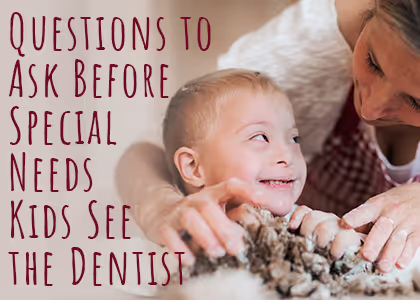
Questions to Ask Before Special Needs Kids See the Dentist
Sometimes special needs kids have higher anxiety in new situations like visiting the dentist. Here are questions to ask to prepare for a successful visit.
January 27, 2022
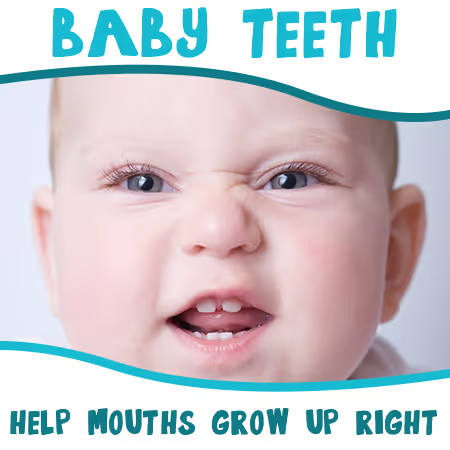
How Baby Teeth Help Mouths Grow Up Right
Baby teeth play a crucial role in oral development. Here's why they matter more than you might think.
January 13, 2022
TruDenta® – Truly Life-Changing Dentistry
TruDenta is a drug-free dental pain management system proven to help provide relief from chronic headaches, tinnitus, vertigo, and TMJ dysfunction.
December 27, 2021
Baby Bottles & Water: It's Complicated
Water is the healthiest beverage for kids and adults, but in babies less than six months of age, water is a no-no.
December 13, 2021
Does Your Child Suffer from Bruxism?
Bruxism is the dental term for teeth grinding and jaw clenching, a habit that children and adults can develop, often without being conscious of it.
November 27, 2021
Life Hacks: One Simple Way to Protect Your Child's Smile
Sports-related injuries are the leading cause of emergency room visits for children and teenagers ages 12-17. A simple mouth guard can protect their smile.