Xylitol: Is it Safe for Kids?
What is Xylitol? Xylitol is a naturally-occurring substance found in the birch tree and in many fruits and vegetables. Its chemical structure resembles a cross between sugar and alcohol—but it is neither. Xylitol is used as an FDA-approved artificial sweetener that can also assist in the prevention of tooth decay, so Drs. Jeff and Candy McComb would like to share some information about xylitol’s safety for children.How is Xylitol Used?Because bacteria in the mouth cannot use xylitol as an energy source, oral care products like toothpaste and mouthwash often contain xylitol to help alleviate dry mouth symptoms and prevent tooth decay . When extracted from birch wood, xylitol can be used as an active ingredient in other medicines as well. Its capability to eliminate or reduce the effects of bad bacteria extends to those that cause ear infections in young children.How Does Xylitol Work?Xylitol tastes sweet like sugar but contains fewer calories and is absorbed more slowly by the body, reducing the likelihood of dramatic blood sugar spikes. These characteristics make xylitol an ideal sugar substitute for diabetics. Unlike other artificial sweeteners and sucrose (actual sugar), xylitol reduces the bacteria that cause tooth decay in the saliva.Is Xylitol Safe for Children?The unaltered natural xylitol present in fruit and vegetables should be safe for kids, barring allergies or a major produce binge. Cavity prevention medicines containing xylitol used in pediatric dentistry typically range from 7 to 15 grams per day (divided into three to five doses). More than 20 total grams of xylitol per day is not recommended for children. Like other artificial sweeteners, exceeding the recommended intake of xylitol can cause pronounced physical discomfort, including diarrhea and intestinal gas. Because children’s medicines containing xylitol may taste as good as regular candy, parents need to be careful that kids don’t eat more than the recommended amount! Non-Medical Products that May Contain Xylitol If you buy sugar-free items a lot, it’s good to be aware of which items in your kitchen, fridge, or pantry may contain xylitol: Packaged goods (ice cream, yogurt, gelatin, pudding) Packaged mixes (pudding, gelatin, baking mixes) Flavored bottled water Powdered drink mixes Candies, chewing gum , and mints (keep an eye on your purse!) Jams and jellies Syrup and honey Protein bars and powders Peanut and other nut butters Vitamins and supplements (especially gummies) Liquid shots for energy, sleep, etc.Keep the Xylitol Away from Your PetsXylitol in any amount can be toxic to dogs and cats. If you have reason to believe your pet has swallowed anything containing xylitol—especially if it also contains chocolate—take them to the vet immediately. Xylitol in the proper doses can be very useful and safe to promote better oral health for both adults and kids. If you have any questions about xylitol, its uses and its safety, contact us at Explorer Kids Dental today! The content of this blog is not intended to be a substitute for professional medical advice, diagnosis, or treatment. Always seek the advice of qualified health providers with questions you may have regarding medical conditions.
Share this post
Explore more blogs
October 27, 2021
Strategies for Teasing: Helping Kids Feel Better About Their Smile
Studies show the number one reason kids are bullied for their appearance is the way their teeth look. Here are strategies to help.
September 27, 2021
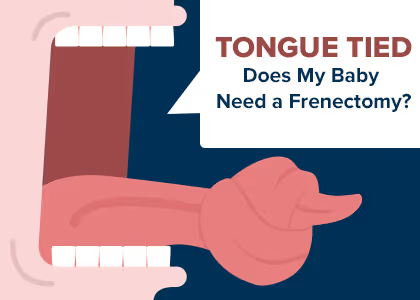
Tongue Tied: Does My Baby Need a Frenectomy?
A frenum is a small fold of muscular tissue in the mouth. Sometimes a frenectomy is needed when it restricts movement.
September 13, 2021
Baby Dentistry: Teething & Other Joys
Your baby's oral health is very important both now and for a lifetime of health. Here's what to know about teething and baby dental care.
August 27, 2021
Is Your Little One Getting Enough Calcium?
Calcium is vital for healthy teeth. Here's how to make sure your little one gets enough in their diet.
August 13, 2021
Is Fluoride Safe for Kids?
We want to address questions and concerns about fluoride safety for kids. Here's what the science says.
July 27, 2021
Teens & Tobacco: Know the Risks
There is no such thing as a safe tobacco product. Every tobacco product contains nicotine — and not only is nicotine addictive, but it can harm the brain.

July 16, 2021
Pacifier Pros & Cons
To binky or not to binky? Pacifier use for infants has been a subject of debate as long as they've been around.
June 27, 2021
Teens & Prescription Opioid Use
Addiction to prescription opioids often begins with an innocent prescription. Here's what parents should know about teens and opioids.
June 13, 2021
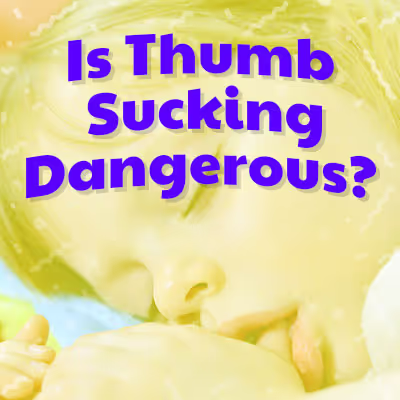
Is Thumb Sucking Dangerous?
Thumb sucking is normal behavior for babies and young children. More than 75% of little ones suck their thumbs or fingers during early years.
May 27, 2021
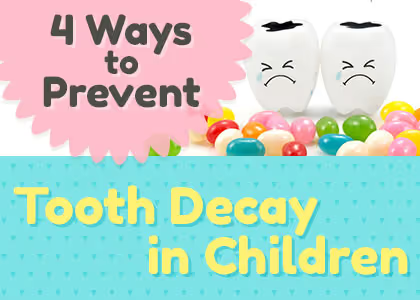
4 Ways to Prevent Tooth Decay in Children
Preventing tooth decay in kids is never an easy feat. Here are 4 effective ways to protect your child's teeth from decay.
May 13, 2021
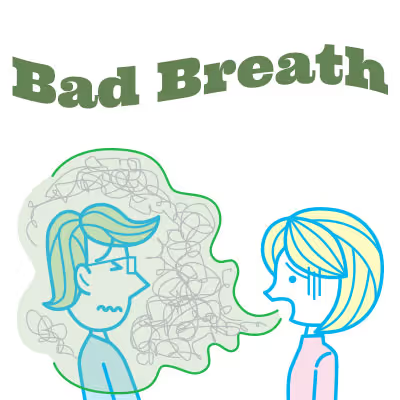
Bad Breath: When Morning Breath Becomes Halitosis
Bad breath, formally known as halitosis, is embarrassing and can hold you back from truly enjoying your life and social situations.